Category: asbestos removal

  • How to Identify Asbestos-Containing Materials

    How to Identify Asbestos-Containing Materials

    Asbestos is one of the most dangerous minerals used in residential and commercial applications.

    While resilient for its low cost, it’s been responsible for diseases that caused the deaths of 4,000 Australians annually, perhaps more. These include but aren’t limited to asbestosis, lung cancer, mesothelioma, and asbestos-related pleural diseases.

    If your home or workplace was built before the nationwide ban in 2003, it most likely was built with asbestos-containing materials (ACMs). Disturbing them in any way, such as dismantling ACMs during a renovation, risks kicking up disease-causing asbestos dust. Removal should be left to asbestos removal services in Wollongong, which are well-equipped and trained to do so.

    However, one thing you can do yourself involves asbestos identification. The methods explained in this blog post don’t involve removing asbestos yourself, though no one can be sure unless you call in a professional. In this instance, it’s never a bad idea to be suspicious.

    Built on or before 2003

    Asbestos has been in use in Australia for more than a century. NSW and Western Australia were home to the largest asbestos deposits in the country, but locally mined asbestos accounted for 5% of national demand, according to asbestos.vic.gov.au. The rest, most being white asbestos, were imported from other countries like the US and the UK.

    The Asbestos Safety and Eradication Agency estimates that one-third of houses and buildings nationwide contained asbestos or ACMs by the time the ban took effect. A recent report by the

    Daily Telegraph stated that over 1,000 schools in NSW are positive for asbestos, placing their students and staff at risk.

    As such, it’s important to determine if your house or workplace was built on or before 2003. If it was bought already built, it won’t hurt to enquire with the previous owner or the real estate agent that facilitated the sale.

    Workplaces must have an asbestos register that states all confirmed and assumed areas that have asbestos. Under Clause 425 of the Work Health and Safety Regulation 2017, this document must contain pertinent details such as:

    • Date the asbestos or ACM was found
    • Type of asbestos used
    • Friable or non-friable
    • Current condition
    • Specific location
    • Accessibility of the location

    The register is also required even if the inspection found no signs of asbestos in the workplace. Failure to keep and update one carries substantial fines. The clause indicates that an individual can be fined 40 units, whereas a body corporate can be fined 210 units.

    Possible locations

    Asbestos was used in nearly every building material, from floor tiles to insulation. Despite the industry already being aware of the health risks it posed before the ban, it was robust and possessed high resistance against chemicals, electricity, and moisture. It had all these neat properties for a fraction of the cost of other alternatives.

    After confirming if your home or office was built before the ban, the next step is to learn the parts of the structure that may have asbestos. The Mesothelioma Center, a for-profit asbestos safety advocacy based in the US, lists nine possible areas worth checking.

    1. Roofing and siding
    2. Insulation (vermiculite, batt)
    3. Floor tiles and adhesives
    4. Sprayed-on/popcorn ceilings
    5. HVAC and plumbing systems
    6. Electrical wiring and equipment
    7. Household appliances
    8. Fireplace and chimney
    9. Garage and vehicles

    We advise exercising caution while inspecting these places. There’s a chance that wear and tear has already shaved some of the asbestos off the building material. In case of doubt, it’s better to let a licensed professional perform asbestos inspection and removal.

    Asbestos testing

    Many people ask us how to identify asbestos by sight or smell. That’s the sad part – no one can.

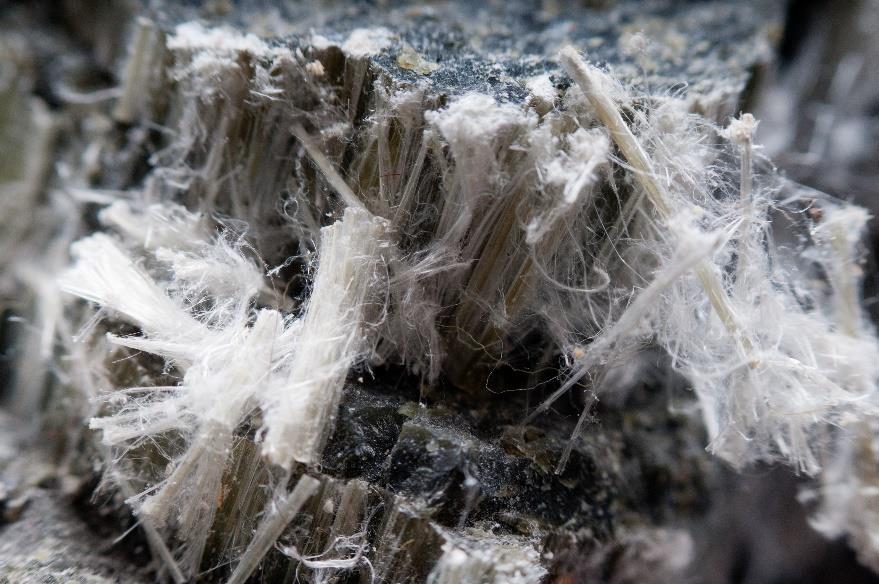
    While natural asbestos comes in several colours, including white, it’s impossible to see or smell it. Asbestos fibres are only visible under a microscope, and painting over the material hides its true colour. Additionally, asbestos is odourless and can blend in with the scent of other building materials, such as stone and insulation.

    This is bad news because it means it’s hard to know if the air at home or the office is laced with asbestos dust. By the time most people realise this, they may have already developed symptoms of asbestos-related diseases, like breathing difficulties. Worse, healthcare experts say any damage to the lungs, asbestos or otherwise, is irreversible and will likely get worse in the future.

    If the two previous factors check out, it’s imperative that you arrange for asbestos testing as soon as possible. Testing staff will pay a visit to your home or workplace and obtain samples from the confirmed or suspected locations.
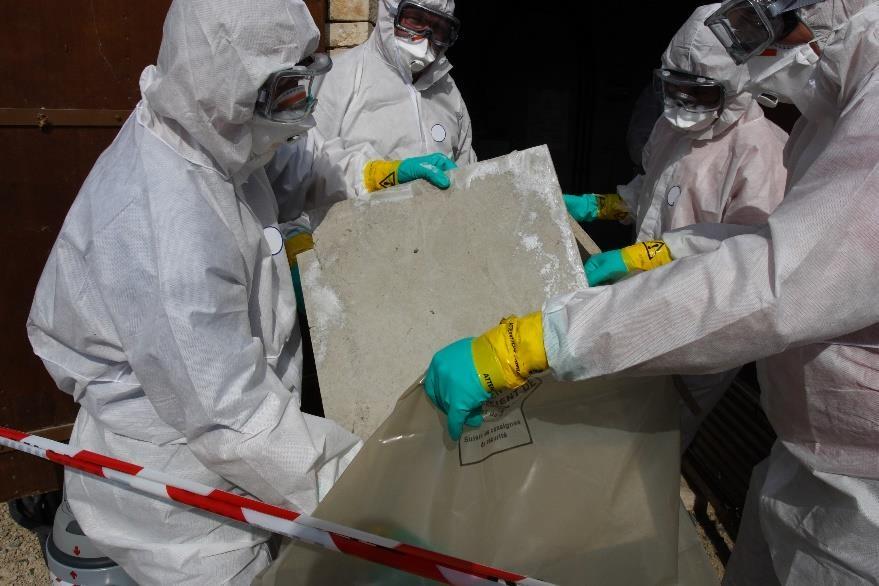
    Asbestos testing is done as per AS 4964-2004, entitled ‘Method for the qualitative identification of asbestos in bulk samples.’ It determines the type of asbestos present, which can be chrysotile (white), amosite (brown), or crocidolite (blue), through polarised light microscopy. Additionally, it can discern the asbestos from other materials mixed in.

    Asbestos testing yields results within one to three days, depending on the laboratory performing it. If possible, it’s best to postpone any home or office improvement works until all the asbestos can be extricated from the premises.

    Do not disturb

    While waiting for the test results, we have to stress the importance of refraining from disturbing asbestos or ACMs. Whatever you do, don’t do any of the following to the location:

    • Cut
    • Sand
    • Drill
    • Break
    • Scrape
    • Demolish
    • Dump
    • Waterblast

    This isn’t just about exposing yourself and your loved ones and colleagues to asbestos-laced dust being kicked up. Under the slightest breeze, said dust can reach other areas and put other people at risk of asbestos-related diseases. Improper disposal of asbestos and ACMs results in fines that can easily reach six figures.

    Final thoughts

    Given its long history of use in residential and commercial construction, asbestos shouldn’t be taken lightly. Just standing close to this health hazard is already risky in its own right, let alone trying to get rid of it without proper prep work.

    Keep NSW Asbestos’s golden rule in mind: ‘If you think it might be asbestos, treat it like it is.’ Learn how old your home or office building is, pinpoint places that most likely have asbestos or ACMs, and don’t delay contacting an asbestos removal company if everything checks out.
  • Types of Asbestos and the Possible Impact on Your Health

    Types of Asbestos and the Possible Impact on Your Health

    In 1899, a man was rushed to Charing Cross Hospital in London for bronchitis. Before long, he was face-to-face with senior physician Hubert Montague Murray, whom he told about his work of carding asbestos fibres along with nine others. The physician discovered heavy scarring in the patient’s lungs, a condition that’s been developing for 14 years.

    The patient died a year later. He was 33 years old and the first recorded death from asbestos.

    Murray presented his report on what would be called asbestosis before a government inquiry in 1906, but serious efforts would only be made near the end of the 20th century. While asbestos has been banned in Australia since 2003, it’s seen so much use that it would take a while before the last vestiges of this hazardous material would be disposed of.

    If you suspect your property, residential or commercial, has some form of asbestos, call for safe asbestos removal in Wollongong. No matter the type or product, asbestos can quickly turn lethal for everyone inside and, possibly, for the community. Learn about the various types of asbestos and their impact on everyone’s well-being.

    By natural grouping

    Asbestos naturally occurs in six groups: actinolite, amosite, anthophyllite, chrysotile, crocidolite, and tremolite. Asbestos use in Australia is narrowed down to amosite, chrysotile, and crocidolite, as they’re the most commonly used, but it wouldn’t hurt to be aware of all six.

    1. Actinolite asbestos: Present in metamorphic rock formations that are high in magnesium, actinolite is a rare type of asbestos. They aren’t used in producing building materials as much as their siblings, meaning exposure cases linked to this type are few and far between.
    2. Amosite asbestos: Also known as brown asbestos, amosite is a type of asbestos commonly sourced from South Africa, specifically Because of its excellent resilience and heat insulation, this type is often mixed in with cement and cement products (e.g., boards, sheets).
    3. Anthophyllite asbestos: Another rarely used type of asbestos, anthophyllite primarily consists of iron and Its toxicity isn’t as well-studied as others, but it’s safe to assume that all types of asbestos are toxic. Despite its rarity, anthophyllite was used in some insulation products.
    4. Chrysotile asbestos: Known as white asbestos, chrysotile is the most prevalent type of asbestos for residential and commercial construction. It’s also the only type of asbestos with serpentine fibres, which curl at the end, as opposed to others that are amphibole or straight and Its widespread use also makes them the main culprit for asbestos-related diseases.
    5. Crocidolite asbestos: Also called blue asbestos, crocidolite is known for its resilience against acids. While not as widely used as chrysotile, it tallied the highest number of asbestos-related deaths among the other This led to it being banned in the country the earliest in 1967, driven to action by the staggering deaths caused by long-term crocidolite mining at Wittenoom.
    6. Tremolite asbestos: Similar to actinolite, tremolite is rarely used in construction applications. Then again, one of its notable uses involved being woven into fabric to be applied to insulation Traces of this type are known to be present in chrysotile asbestos.

    One crucial caveat about the types addressed by their natural colours is that asbestos-containing materials (ACMs) don’t necessarily show these. ACMs can be painted over with a different hue, meaning there’s no way of knowing if it contains asbestos without lab tests. Scraping the surface is ill-advised, as any form of disturbance will release asbestos fibres into the air.

    Friable vs. non-friable

    Asbestos is so dangerous that determining the type used in floor adhesive or a piece of cladding feels redundant. It doesn’t matter because every asbestos variant is deadly. Professional asbestos removal tends to focus more on whether an ACM is friable or non-friable.

    The difference between the two is their resistance to physical trauma. Friable ACMs can crumble to dust or be frayed with some elbow grease, with examples like (but aren’t limited to) insulation boards, loose-fill insulation, and pipe laggings.

    On the other hand, non-friable ACMs are strong enough to resist hand pressure, though they can still crumble under stronger forces like extreme weather or vehicular impact. These materials are mainly cement-based, though some additional examples include vinyl flooring and roofing felt.

    Experts state that non-friable ACMs have a lower risk of releasing microscopic asbestos fibres into the air. That said, it’s all the more reason to get these materials taken out before they get a chance to be reduced to powder. Asbestos isn’t immediately visible and is odourless, so getting a good look at one is impossible, not to mention dangerous.

    Health effects of asbestos

    According to the NSW government’s online resource on asbestos, around 4,000 Australians die from asbestos-related diseases annually. Symptoms of such diseases are slow acting, taking as long as 40 years from the year of initial exposure to manifest. Because of this, knowing if you or a loved one has a condition caused by inhaling asbestos doesn’t occur until it’s too late.

    Asbestos can wreak havoc on your body in several ways. The most common ways are:

    • AsbestosisSimply put, asbestosis is the inflammation of lung tissues caused by inhaling asbestos fibres. Health experts state that scarring caused by the disease is irreversible and will likely worsen over time, though most cases worsen at a snail’s pace.
    • Asbestos-related pleural diseases (ARPDs)ARPDs are health conditions that affect the pleura, a membrane that lines the lungs’ exterior and enables easy breathing. Without working pleurae, a person can find breathing harder than usual, which may lead to fluid building up around the lungs.
    • Various cancersAs the asbestos fibres damage the lungs and other nearby organs over time, they’ll also inflict damage on the tissues’ DNA. This leads to genetic mutations that become prerequisites for a plethora of cancers.The most prevalent of these is mesothelioma, an aggressive cancer that hits the outer linings of many organs. According to a recent study by the Association of Pacific Rim Universities, Australia and New Zealand has the second-highest incidences of mesothelioma among males at 2.2 per 100,000 people, just below Northern Europe.Asbestos doesn’t only put the people inside an asbestos-filled building at risk. If one isn’t careful with the removal process, the resulting dust can affect others in the immediate area. Preparation is key to removing asbestos without incident.

    Final thoughts

    The impact of asbestos exposure on one’s health can’t be any clearer. Be it blue, brown, or white asbestos, its microscopic fibres are among the things to keep out of the body no matter what. The moment you realise that your property may be putting you at risk, take action at the soonest.

    Consult an asbestos removal specialist to arrange the inspection, testing, and removal processes. Leaving the job to them is better than doing it yourself.

  • How To Prepare For Asbestos Removal

    How To Prepare For Asbestos Removal

    As a property owner, ensuring the safety and well-being of your occupants is a top priority. When it comes to asbestos, a hazardous material that may be present in older buildings and homes, it’s crucial to take proactive steps for its safe removal.
    Because of potentially serious health risks, asbestos has been banned in many countries, including Australia. Although it has been extensively used in the country since the 1880s, newer structures have avoided using them since 2003, following the prohibition.
    If your building has been around much earlier, it’s time to safeguard yourself and those around you proactively. This comprehensive guide outlines the essential steps to prepare for asbestos removal. Following these guidelines can ensure a successful asbestos removal process, protecting your property and its occupants.

    1. Recognising the importance of asbestos removal preparation
      Proper preparation is the cornerstone for a safe and successful asbestos removal project. As a property owner, understanding the significance of thorough asbestos removal preparation is vital in protecting occupants and people nearby. It reduces health risks associated with asbestos exposure, ensures compliance with regulations, and protects the value of your property.
    2. Preparing for asbestos removal
      Preparing for asbestos removal requires careful planning and coordination. Following these step-by-step guidelines, you can effectively prepare for the asbestos removal process, ensuring a safe and efficient experience for all involved.

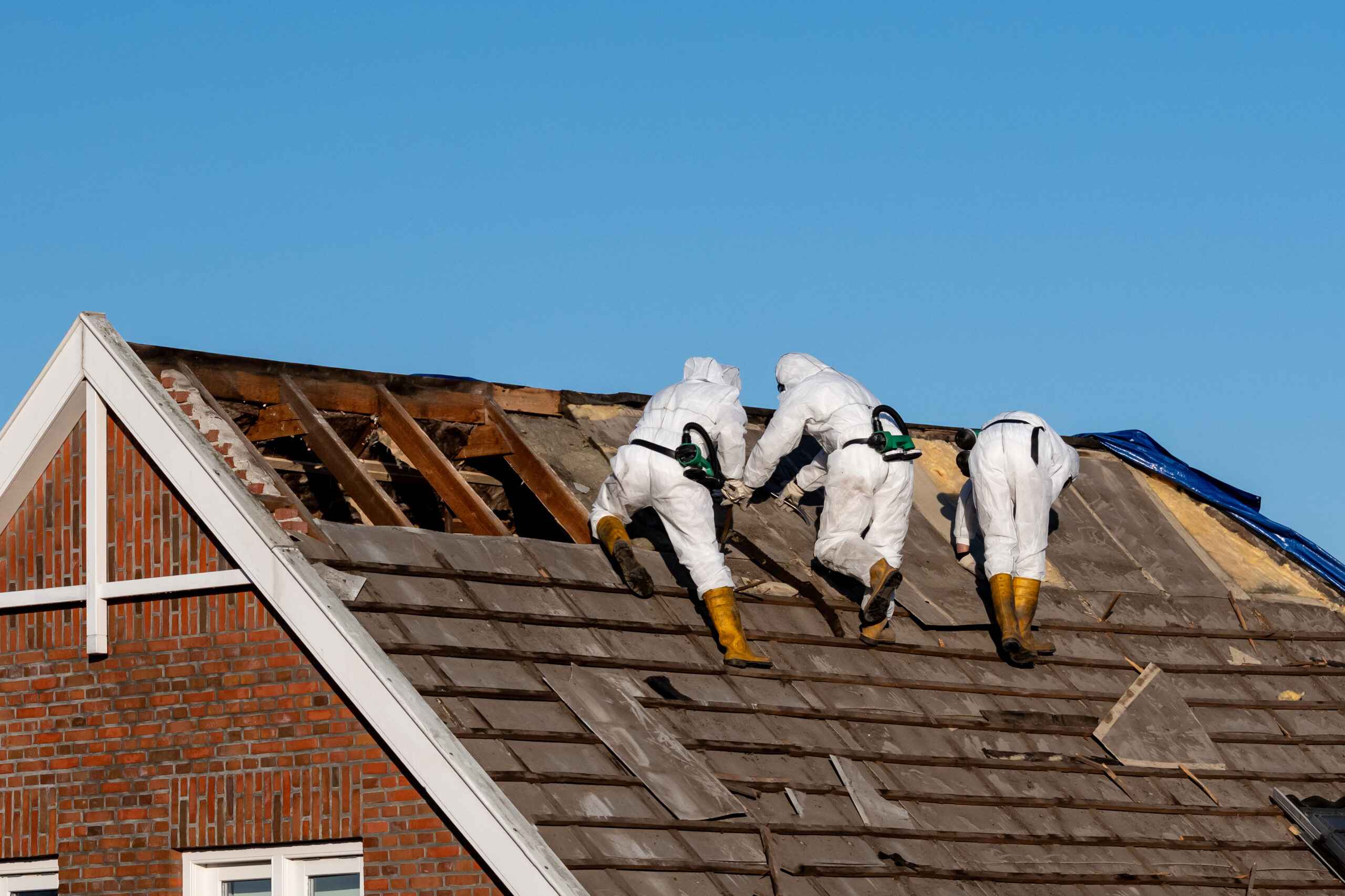
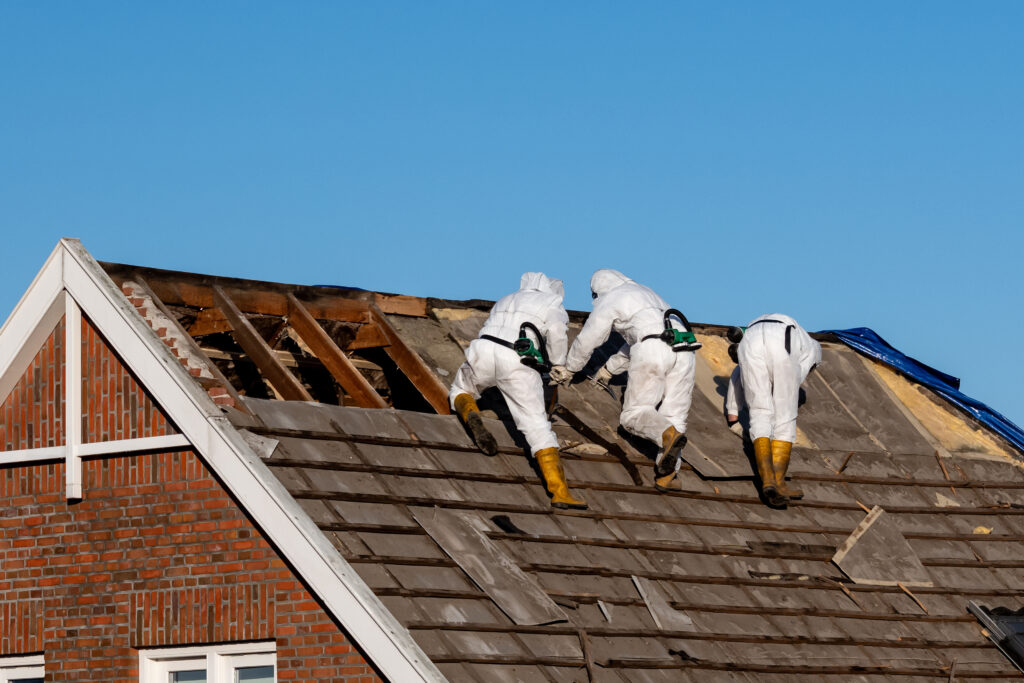
      • Select a reputable asbestos removal contractor: Once asbestos-containing materials are identified, work with licensed asbestos assessors and removers to start your remediation project. These professionals possess the knowledge, equipment, and certification required for safe removal. Their expertise will help identify potentially harmful materials and sections within your property, assess the extent of the problem, and guide the next steps.Professionals in protective suits remove asbestos-cement
      • Notify occupants and stakeholders: Open communication with your occupants and stakeholders is crucial and paves the way for effective asbestos removal preparation. Inform them about the upcoming asbestos remediation project, explaining the reasons for removal, potential risks involved, and the preventive measures that will be implemented to ensure their safety.
      • Work closely with your contractor: Collaborate with your chosen contractor to create a detailed removal control plan. This plan should outline the asbestos removal preparation steps, timelines, and safety measures throughout the process.
      • Inform relevant authorities: Asbestos removal projects often require notification to local authorities and regulatory bodies. Ensure that you comply with the necessary legal requirements and obtain the required permits before commencing the removal process. Ask your contractor if they can do it on your behalf.
      • Arrange for temporary relocation, if required: Depending on the scope of the removal project and potential risks to occupants, consider arranging temporary relocation for them. This ensures the safety of high-risk individuals, such as children, pregnant women, or individuals with pre-existing respiratory conditions.

      Specific situations may call for additional steps to take before asbestos removal. Discussing with professionals is strongly recommended to ensure a seamless process and achieve the best results.

    3. Precautions before asbestos removal
      Before the asbestos removal process begins, there are several precautions property owners should take to protect their belongings and facilitate a seamless restoration process post-removal.

      • Keep important documents safe: Safeguard important documents related to your property, such as building plans, maintenance records, and insurance information. This precaution helps preserve valuable records and ensures a hassle-free restoration process.
      • Protect valuables and sensitive items: Take measures to protect valuable belongings and sensitive items within the property. Transfer or cover items at risk of damage or contamination during removal.
      • Secure the work area: To prevent the spread of asbestos fibres, seal off the work area from the rest of the property using plastic sheets or barriers. This containment measure ensures these harmful particles stay within the designated removal zone.

      These measures not only mitigate potential losses but also contribute to a smoother and more efficient restoration process once the asbestos removal is complete.

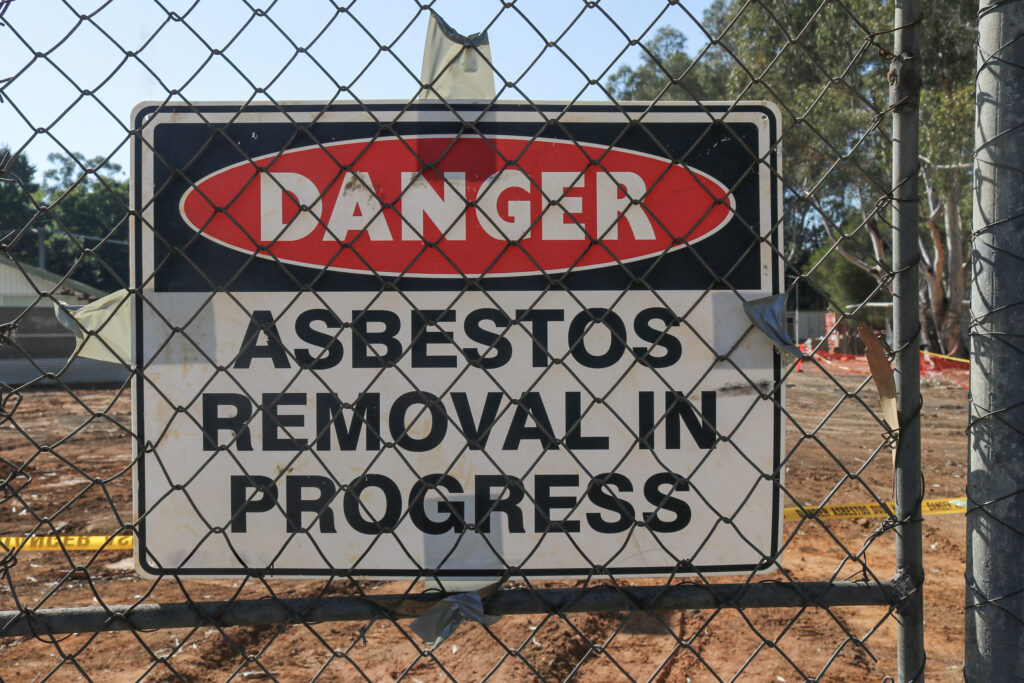
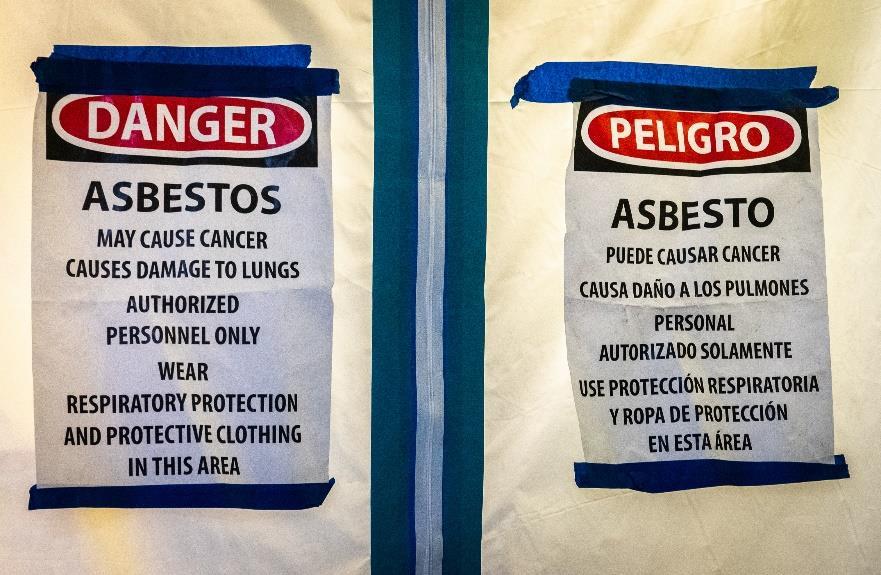
    4. Asbestos removal process: Best practicesDanger Asbestos Removal in ProgressProperty owners play a vital role in ensuring adherence to safety regulations and maintaining effective communication with the removal contractor. Here are some essential best practices to follow during the asbestos removal process:
      • Compliance with safety regulations : Ensure your chosen asbestos removal contractor follows all safety regulations and guidelines. For instance, they must wear personal protective equipment (PPE), wet the affected area to minimise dust, and safely manage and dispose of asbestos-containing materials. Regular monitoring ensures the project is carried out to the highest standards.In adhering to strict safety regulations, Sydney Asbestos uses specialised nail removal tools to minimise breakage of asbestos-contaminated material (ACM). We likewise protect your flooring with plastic to contain the fibres and other materials that may drift into the air and settle on the ground. To ensure proper removal, we use a special high-efficiency particulate air (HEPA)-rated industrial vacuum that picks up any asbestos fibres, and we seal the timbers with polyvinyl acetate (PVA) glue and water to prevent contamination.All removed asbestos material will be loaded directly onto a truck double lined with plastic and taken straight to a specialised waste disposal facility. If requested, we’re happy to provide proof of safe and proper disposal.
      • Staying proactive: Maintain open and regular communication with your contractor during the removal process. Stay informed about the progress, address any concerns promptly, and collaborate to overcome any unexpected challenges that may arise.
      • Post-removal inspection: After the removal, ask your contractor to conduct a thorough inspection to verify that all asbestos-containing materials have been properly eliminated. This step ensures the long-term safety of your property and provides peace of mind for you and your occupants.By following these best practices, you can ensure the safe and efficient removal of asbestos, mitigating health risks and minimising environmental contamination. Adhering to established guidelines and regulations is vital to protect the well-being of everyone involved and the surrounding community.

    Call Sydney Asbestos now!

    Proper preparation for asbestos removal is essential to protect yourself, your loved ones, and the environment from the hazards associated with asbestos exposure. Ensure a safe and successful asbestos removal process by following the steps outlined above. More importantly, note that this task requires professional expertise, and it’s crucial to work with licensed asbestos removal contractors for your peace of mind.

    At Sydney Asbestos Removal, we understand property owners’ unique challenges when dealing with asbestos. Our team of experienced professionals is dedicated to providing exceptional service, adhering to safety regulations, and delivering successful asbestos removal and remediation projects. Contact us today to discuss your asbestos removal needs and take the first step towards a safer property.

  • Benefits Of Preventative Asbestos Removal Maintenance

    Benefits Of Preventative Asbestos Removal Maintenance

    Asbestos is a naturally occurring mineral used in several industries. This substance makes surfaces resistant to chemicals, fire, heat, and electricity, making them especially useful in construction. But various research has linked asbestos exposure to certain forms of cancer, pushing several countries to ban its use and manufacture.

    When it comes to asbestos, a proactive approach is key to protecting your property and occupants’ health. Opting for preventive asbestos removal maintenance is better than waiting for signs of presence or deterioration.

    In this blog, we’ll explore the advantages of taking a proactive approach and how preventative asbestos abatement can safeguard your property, loved ones, and occupants for the long term.

    What does preventative asbestos removal maintenance mean?

    Preventative asbestos removal maintenance refers to proactively identifying and eliminating asbestos-containing materials before they become a hazard. It involves regular inspections and assessments to detect asbestos and take immediate action to remove it. This approach aims to prevent potential health risks and property damage associated with asbestos exposure, preserve the value of your property, and ensure a safer and healthier environment for its occupants.
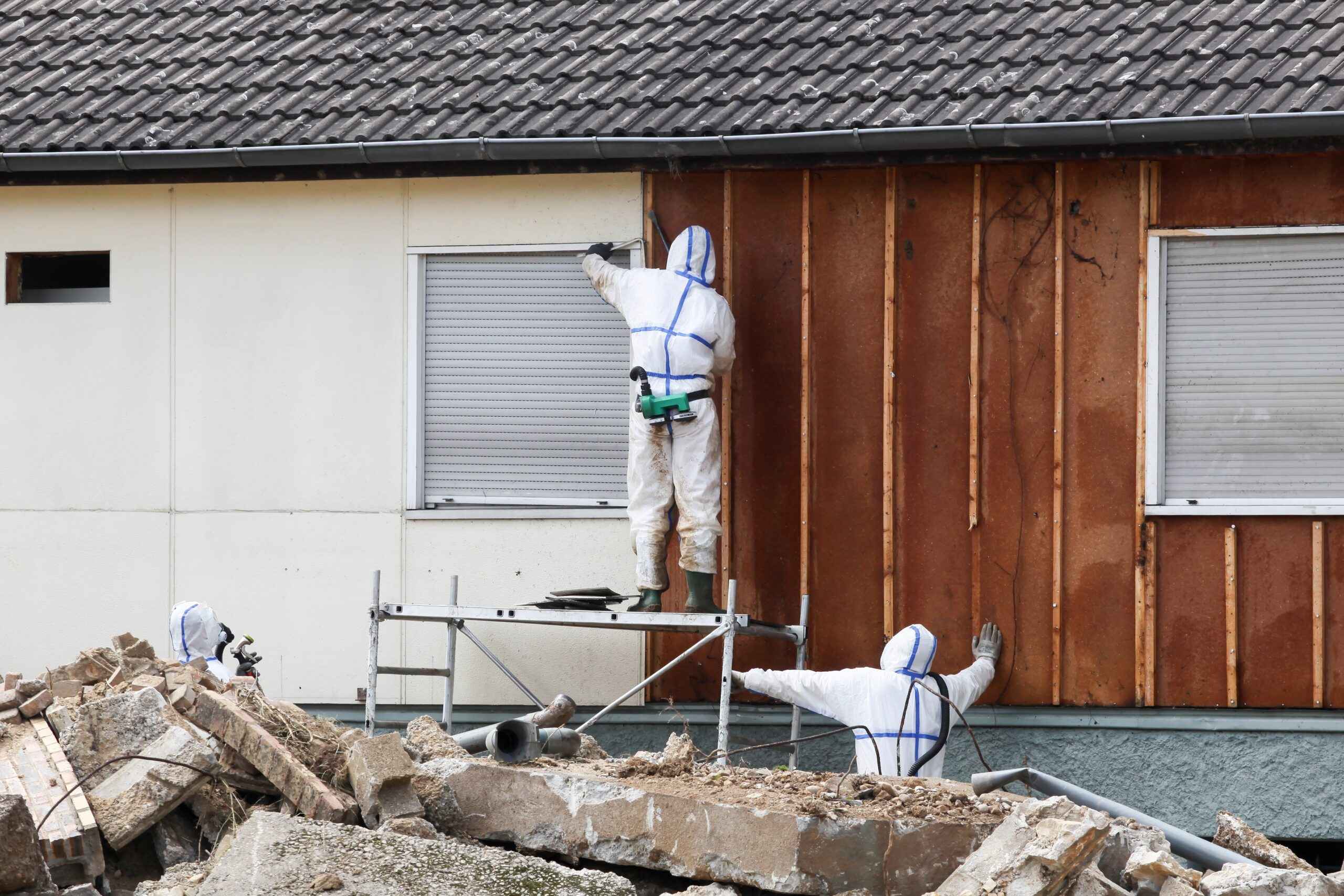
    Professionals in protective suits
    How does asbestos exposure happen?

    While no longer used as extensively, especially in the construction industry, older homes may still contain asbestos. This mineral was used as a primary material for ceilings, roofs, walls, fences, and tiles. It may be present in almost every section of your building, especially if it was built over three decades ago.

    Building renovation, repairs, and physical deterioration may release asbestos fibres into the air, which could be inhaled by individuals nearby. These particles can remain in the human body for years and cause scarring and inflammation, resulting in breathing problems or serious health issues like mesothelioma, ovarian, lung, and laryngeal cancer.

    Industrial workers may also get exposed to this harmful mineral while performing certain production processes. Unfortunately, most individuals won’t know they’ve been sick for a long time, as the symptoms of asbestos-related diseases can take 10 to 40 years to appear.

    5 preventative asbestos abatement benefits

    Identifying the presence of asbestos is tricky. Its fibres are too thin to be visible to the naked eye and don’t have a distinct smell. That’s why proactive asbestos removal maintenance is crucial, and you’ll need to hire professionals to do the job right.

    Working with licenced and insured contractors lets you enjoy the following benefits:

    1. Safeguarding your property investment
      Despite being outlawed in 2003, it’s estimated that one in three Australian homes may still contain asbestos. Investing in preventative asbestos removal maintenance demonstrates your commitment to maintaining a safe and healthy environment. By addressing asbestos-related issues early on, you protect your property from the detrimental effects of asbestos deterioration, which can lead to costly repairs and decreased property value.
      Home sellers may be legally required to disclose the presence of asbestos in their property. And in such circumstances, a buyer may negotiate for a lower price, owing to the need for asbestos removal and remediation. With proper maintenance, your property’s value remains intact.
    2. Preventing health issues
      One of the primary reasons for proactive asbestos removal is to protect occupants’ health. Early identification and removal of asbestos-containing materials reduces the risk of exposure and prioritises the well-being of those who reside or work within the property.Determining the presence of asbestos isn’t possible without proper training and specialised equipment. Thus, taking a proactive stance and hiring professional asbestos assessors and removalists for maintenance tasks is your best option for preventing potential health issues.   
    3.  Mitigating legal and liability concernsBesides home sellers, property owners may likewise be legally required to notify occupants regarding the presence of asbestos, depending on state laws. Additionally, building owners are legally responsible for mitigating asbestos exposure risks and consequences. If tenants believe a landlord is negligent in addressing the issue, they may sue.Proactively addressing asbestos-related issues demonstrates compliance with health and safety regulations. This helps reduce legal and liability concerns if asbestos-related health problems are linked to your property. Taking preventative action not only safeguards the well-being of occupants but also protects you from potential legal complications in the future.
    4. Long-term cost savings
      While preventative asbestos removal maintenance requires an upfront investment, it can save you significant costs in the long run. By identifying and removing asbestos-containing materials before they deteriorate, you avoid more extensive and expensive remediation measures that may be necessary if the asbestos spreads or becomes friable.
      Early asbestos removal may also lower insurance premiums and reduce potential litigation expenses. In most cases, owners may claim asbestos testing, removal, and disposal costs as tax-deductible expenses.
    5. Peace of mind and improved quality of life
      Knowing that your property is free from asbestos hazards provides you and your occupants with peace of mind. It creates a safer living or working environment, fostering a sense of well-being and improving the overall quality of life. With the knowledge that preventative asbestos removal has been undertaken, you can confidently enjoy your property.
      Eternit - Asbestos Removal

    Have your property assessed for asbestos now!

    Opting for preventative asbestos removal maintenance offers numerous benefits for building owners and the community. By taking early action, you protect your property, preserve its value, and ensure the health and safety of its occupants.

    At Sydney Asbestos, we understand the importance of proactive asbestos removal. Our team of experienced professionals is dedicated to providing exceptional services, adhering to safety regulations, and delivering successful asbestos testing, removal, and remediation projects.

    Don’t wait for asbestos-related issues to arise – take a proactive stance and prioritise your property’s and occupants’ safety. Contact us today for expert guidance and professional preventative asbestos removal.

  • The Removal Of Asbestos From Your Place: Top 3 Tips

    The Removal Of Asbestos From Your Place: Top 3 Tips

    Although manufacturing and using asbestos have long been prohibited in Australia, structures built prior to the ban may still contain this harmful element. To ensure that you are working in a safe environment, it is important to asbestos removal in your building structure.

    Inhaling asbestos can cause chronic lung illness and is exceedingly dangerous to one’s health. It’s crucial to understand how to safely remove asbestos or what precautions to take if you suspect that a component of the building contains asbestos.

    In this article, we’ve covered various significant subjects, including problems faced due to asbestos, precautions to take, how to remove asbestos safely, and the necessity of hiring experts for effective removal and disposal.

    Problems Faced Due To Asbestos:

    Asbestos is a hazardous substance, and exposure to it increases the risk of developing a number of deadly diseases, such as asbestosis, mesothelioma, lung cancer, digestive system malignancies, and colon cancer.

    It is important to get an asbestos inspection from experts, like Sydney Asbestos Removals, if you suspect or are unsure whether your structure contains any asbestos. If you are a DIY home renovator and are considering doing your own renovations, it is also essential to have an asbestos inspection done. By doing this, you may be protected from exposure to dangerous risks.

    Precautions to Take If Asbestos Is Found:

    If you suspect any part of your structure has asbestos present, it is best to follow the guidelines below. These guidelines will ensure the safety of your family, pets, employees or residents:

    • Avoid touching, damaging, or disturbing any area you believe may contain asbestos. Undamaged or undisturbed materials are not likely to pose health risks.
    • Keep an eye on the part and look for any leaks or damage that might allow asbestos to blend with the air.
    • The suspected portion or substance needs to be properly destroyed by professionals; do not sand, scarp, patch, cut, or tear it.

    If the suspected area is severely damaged, contact professionals and ask them to perform an asbestos inspection or removal.

    How To Remove Asbestos?

    Removing asbestos sheeting is not recommended if you do not have the required experience, tools, and equipment. This is due to the high amount of risk associated with inadequate removal. According to government guidelines, the risk involved with asbestos elimination should be minimised at all times.

    Asbestos removal necessitates proper preparation and disposal that can be achieved through extensive training programs and experience. If you are considering performing asbestos removal on your own, do it under professional guidance and assistance along with creating a plan and having the required equipment and tools at your disposal.

    Note: We do not recommend DIY asbestos removal. Asbestos removal and disposal guidelines may vary from one state to another. Therefore, always seek assistance from a professional asbestos removal company.

    Why Is It Important to Hire a Professional Asbestos Removal Service?

    A professional asbestos removal service in NSW ensures that no asbestos residue is left behind and the work is completed in accordance with government regulations. A qualified asbestos remover will evaluate every area of the building to detect and remove the identified portion of the building. Other benefits of hiring professionals include:

    • Quick, safe asbestos removal
    • Proper disposal
    • Experienced and qualified professionals
    • Proper removal methods and usage of correct tools
    • Have appropriate insurance
    • Provide you with final clean-up advice

    Hire Sydney Asbestos for Efficient Removal

    At Sydney Asbestos, we provide reliable and affordable asbestos removal services and asbestos roof removal in Sydney that adhere to the most recent safety guidelines. We are licenced and insured, so you may hire us with complete confidence. To know more about our asbestos inspection, removal, and disposal services, call us at 1300 04 3366.

  • How to Manage Asbestos Exposure at the Workplace

    How to Manage Asbestos Exposure at the Workplace

    One of the most important responsibilities in minimising exposure to asbestos in the workplace is played by building owners. Building owners can take various measures to guarantee safety on the premises while constructing a building or renting out an existing structure exposed to asbestos.
    Here are a few tips on managing exposure to asbestos in the workplace and ensuring the safety of workers on-site.

    Tips on managing exposure to asbestos in the workplace

    When renovating or building new, only use asbestos-free building materials

    Although the use of asbestos in building construction is strictly banned in Australia, materials containing asbestos are continuously being manufactured despite the acknowledged health risks. When submitting or authorising requests for building materials, facility managers must state specifically that they desire items free of asbestos. Before buying, always check the manufacturer’s credentials.

    Plan asbestos inspections for your premises

    Owners must arrange for a thorough building examination from a certified commercial asbestos removal firm, like Sydney Asbestos, to safeguard the building’s occupants as much as possible. This survey will reveal the locations where asbestos is present and the goods requiring quick attention.
    You, as the owner of the facility, should confirm the details provided in the report from the abatement business. Additionally, don’t forget to plan routine follow-up inspections every six months starting from the date of the initial inspection.

    Develop and put into effect an asbestos management plan for every building

    Owners are required to create a comprehensive asbestos management plan outlining how they intend to handle any asbestos-containing items on their property. The policies should be as facility-specific as feasible and include information such as:

    • Which components of your structure contain asbestos?
    • How do you plan to alert staff members and building occupants to the presence of asbestos?
    • How do you plan to instruct building occupants to stay away from asbestos-containing items being damaged?
    • How do you propose to handle any asbestos-related incidents in your structure?
    • Which approvals are required when asbestos in a structure is potentially disturbed?
    • Which working procedures will be required to lessen the chance of asbestos exposure?

    To assist in creating the asbestos management strategy and asbestos testing, building owners may choose to employ a programme development team. Engineers, architects, health and safety inspectors, and people in industrial hygiene can all contribute to the strategy. And you can also hire an expert NSW asbestos removal firm.

    Any building materials that you know contain asbestos should be clearly labelled

    Materials that contain asbestos must be prominently marked with warning signs. The materials themselves should be marked with these signs. Any place where asbestos products have been detected should have warning signs advising of their presence posted at the entry.

    Provide your contact information to all building inhabitants

    The inhabitants of your building must get in touch with you whenever an asbestos-containing product is disturbed. Give business management who inhabits your building business cards with your name, address, phone number, and email address.

    Benefits Of An Asbestos Management Plan

    The asbestos management plan serves as a repository for the most recent and relevant information on asbestos in your workplace. It details all asbestos present and gives site management tools to guarantee that any action linked to asbestos is recorded and handled effectively. It should also allow you to plan ahead during property upkeeping.

    The asbestos management plan takes the guesswork and uncertainty out of conducting work on the property, ensuring the comfort of contractors, tradesmen, and anyone else required to do so. Finally, it aids in lowering the danger of asbestos exposure.

    Not Handling Asbestos Removal In Any Of Your Building Can Lead To Lawsuits

    If asbestos-related problems are not resolved and someone is hurt, you may be held responsible for the harm. That might result in significant fines and further legal costs in Australia. It’s crucial to adhere to your asbestos management strategy and have backup plans in place to prevent these legal occurrences.

    All things considered, when you have completed your asbestos management strategy, think about hiring a certified asbestos removal contractor to conduct any necessary professional removal or auxiliary tasks.

    Why Choose us for Removal of Asbestos in the workplace ?

    You can rest certain that your asbestos removal job in Sydney will be performed to the highest degree since we are fully licenced, insured, and compliant with all current safety standards and requirements. Our costs are reasonable as we’re a Sutherland Shire-based business, and we generally come by and give you an estimate the same day you contact us.

  • How To Safely Remove Asbestos From Your Home?

    How To Safely Remove Asbestos From Your Home?

    Although DIY asbestos removal from your home is not technically illegal in most regions of Australia but regulated, it is imperative to consider safety protocols and all the regulations surrounding asbestos management.

    Noticing asbestos in premises can be a dreadful event for most homeowners and commercial building owners. Unlike simply discarding excess cladding material, asbestos removal is not as easy as it seems.

    Long-term exposure to asbestos results in lung diseases such as asbestosis and mesothelioma – caused due to breathing asbestos fibres.

    Lack of awareness and neglecting safety protocols may affect your health significantly. Therefore, removing asbestos sheeting requires careful consideration and expert support. Hiring an expert asbestos abatement company for asbestos removal in Sydney can ensure you receive overall safety and professional assistance.

    Yet many homeowners, wanting to cut costs on their asbestos roof repairs and removal, wonder if DIY asbestos removal can be possible. Although DIY asbestos removal is not technically illegal in most regions of Australia but is governed by strict regulations, it is imperative to consider necessary safety protocols and all the regulations surrounding asbestos management.

    If you’re wondering how to safely remove asbestos, continue reading. Our “How to remove asbestos” guide covers the most critical information on safe asbestos removal and disposal. But first, let’s understand the basics:

    What is Asbestos?

    Asbestos is a highly heat-resistant fibrous silicate mineral used in the mid-80s building structure as an imperative construction material. Most Australian homes constructed during the mid-80s and early 90s have Asbestos Containing Materials (ACMs) in their building structure.

    Since ACMs were highly resistant to heat, water, and erosion, construction professionals preferred using this building material over any other alternatives. In fact, most houses constructed or renovated before 1990 have asbestos in their building structure.

    However, the Australian government banned ACMs in building structures on 31st December 2003. Asbestos is usually referred to by its unique colours that determine each type:

    • Blue asbestos – Crocidolite
    • Brown asbestos – Amosite
    • Grey asbestos – Anthophyllite
    • White asbestos – Chrysotile

    Friable Asbestos

    Friable asbestos was commonly used in commercial building constructions. Unlike non-friable asbestos, such asbestos-containing material (ACM) can be easily crumbled by pressure and is hazardous and should be handled with care by a licenced expert.

    Loose-fill asbestos in residential homes should be directly reported to the NSW Heads of Asbestos Coordination Authorities (HACA).

    Non-Friable Asbestos

    Non-friable asbestos cannot be crushed, crumbled, pulverised or turned into powder manually. Unlike friable asbestos, non-friable asbestos can be removed safely. However, it is imperative to handle non-friable asbestos properly and carefully because of its potential hazardous properties.

    Here are a few common examples of non-friable asbestos:

    • AC sheeting
    • Asbestos cement
    • Fibro sheeting (flat and corrugated)
    • Floor tiles
    • Electricity and gas metre boxes
    • Roof shingles
    • Water and drainage
    • Vinyl flooring

    Is It Safe to Remove Asbestos on Your Own?

    Removing non-friable asbestos by following necessary regulations/ guidelines and considering safety equipment can be possible. However, it depends on the state regulation and guidelines. For instance, The ACT law requires homeowners to hire a licensed asbestos removal company for asbestos removal and disposal.

    The law in other states and territories requires homeowners to remove non-friable asbestos from their residential properties in a minimal amount. However, such ACMs should be entirely sealed and classed as non-friable asbestos.

    We recommend our customers not to handle asbestos removal in NSW without any prior experience and qualification for removal or disposal. Any casualties can result in health and life hazardous situations.

    Important Things To Keep In View Before Starting a DIY Asbestos Removal In Your Home

    If you are hiring a non-licensed asbestos removalist for non-friable asbestos removal in your property, make sure they have extensive knowledge, experience, be equipped with the necessary tools, and complete training for this job.

    Most asbestos removal tasks usually take place in larger areas. In such cases, you should consider the assistance of a licensed asbestos removalist to handle the removal work.

    If you are a home renovator and planning for DIY asbestos removal, it is imperative to have years of experience, advanced equipment, and necessary skills to reduce the risk of asbestos exposure.

    How Much Asbestos Can Be Removed From Your Home?

    When it comes to DIY asbestos removal, it actually depends on your location and their state regulations surrounding asbestos management. A non-licensed asbestos removalist or DIY renovator can remove up to ten square metres of asbestos from their properties.

    The regulation is applied to all states and territories, except the ACT – you need to have proper licensing to undertake a DIY asbestos removal job.

    Although the Australian government enforces strict regulations surrounding DIY asbestos management, it is highly advisable to consider expert assistance.

    The health and life hazards associated with asbestos removal and management make it one of the most dangerous jobs for those undertaking a DIY removal job.

    The Asbestos Safety and Eradication Agency presents some strict guidelines for DIY asbestos removal:

    • Only non-friable asbestos are allowed to be removed.
      A DIY asbestos removalist can remove less than 10 square metres of non-friable asbestos from a property.
    • Any individual undertaking DIY asbestos removal must be competent, i.e., have extensive knowledge, experience, be equipped with necessary tools, and completed training for this job.
    • Most insurance policies will not cover health injuries relating to asbestos removal. Therefore, as a non-licensed removalist, you may have to bear the cost individually and also pay exorbitant clean-up and repair costs.
    • Anyone coming into contact with any asbestos materials should be notified to the local council, neighbours, and vicinity.

    How to Safely Dispose of Asbestos?

    Apart from the safe removal of non-friable asbestos, you need to follow an appropriate process for correct disposal. Any causality before or after disposal may further increase the risk of the health hazard of those living inside the house and neighbourhoods.

    The EPA has set various guidelines related to the disposal of asbestos waste. You can check the guidelines here.

    Choose Licensed Asbestos Removal in Western Sydney

    Dealing with asbestos – non-friable – can be hazardous to your life. Therefore, we strongly recommend choosing a licensed, highly experienced, and knowledgeable asbestos removalist. Besides, hiring a non-licensed asbestos removalist may increase the risk of life and health hazard.

    Our asbestos removal experts hold Class B Bonded Asbestos Removal Licence and are fully trained to remove non-friable asbestos safely. For any information on our asbestos removal services, call us at 1300 04 3366 today.