Category: asbestos removal

  • Bathroom Asbestos Removal Sydney: Costs, Timelines and Safety

    Bathroom Asbestos Removal Sydney: Costs, Timelines and Safety

    Bathroom asbestos in Sydney: costs, timelines and safe removal options

    If you are planning a bathroom renovation before winter, asbestos is the issue you need to rule in or rule out first. Sydney bathrooms built or refurbished before 1990 often contain bonded asbestos-containing materials, and disturbing them without a plan can stall your project and create risk.

    This guide explains where asbestos typically hides in Sydney bathrooms, how Class B bonded removal works, what it usually costs, and how long it takes. You will also find clear steps for inspection, NATA-accredited testing to AS 4964, containment, removal, HEPA clean, and final clearance.

    If you want to move quickly and safely, contact our certified assessors for a fast, no-obligation quote. We offer same-week bookings across Greater Sydney.

    Where asbestos is usually found in Sydney bathrooms

    In pre-1990 homes, bonded asbestos shows up in a few predictable places:

    • Fibre-cement wall and ceiling linings around showers, baths and wet areas
    • Vinyl floor tiles and black bituminous adhesives
    • Textured or popcorn ceilings and hard-setting compounds
    • Backing boards to vanities, ducting and behind tile beds
    • Soffits and eaves directly adjoining bathrooms

    These products are non-friable when intact, but cutting, sanding, drilling, or demolishing makes them hazardous. If your bathroom is original or the renovation history is unclear, treat suspicious materials with care and organise testing before any strip-out.

    Can you renovate a bathroom with asbestos?

    Yes, but only after identification and a compliant removal plan. For bonded asbestos, a Class B removal team can isolate the bathroom, remove affected materials under controlled conditions, and provide clearance so your tiler, plumber and electrician can proceed. If any material is friable, it must be referred to a Class A contractor. Renovation should never start by “seeing what is behind the tiles.” Confirm first, then remove what is necessary.

    What Class B bonded removal covers

    Class B scope includes non-friable asbestos such as cement sheeting, vinyl tiles and mastics, and textured ceilings when they are tested and confirmed as bonded. At Sydney Asbestos we:

    • Survey and prepare a site-specific plan
    • Isolate the bathroom with plastic containment, signage and negative practices as required
    • Use wet methods and controlled techniques to minimise dust
    • Perform H-Class HEPA vacuum cleaning and detailed wipe-down
    • Double-wrap, label and transport waste to an accredited asbestos landfill with disposal receipts
    • Arrange visual clearance and, where appropriate, air monitoring to verify reoccupation

    All work aligns with SafeWork NSW guidance and the WHS Regulation 2017.

    Asbestos in Bathroom walls and ceiling

    Step-by-step: safe bathroom asbestos removal

    1. Certified inspection

      A certified assessor inspects the bathroom and adjacent areas to identify suspected asbestos-containing materials. You receive practical advice on whether removal, management or redesign is best for your renovation goals.
    2. NATA-accredited testing (AS 4964)

      Small, targeted bulk samples are taken where results will change decisions. Samples go to a NATA-accredited lab using AS 4964-compliant PLM. Standard turnaround is commonly 24 hours, with faster options available for urgent jobs.
    3. Containment and controls

      We seal the bathroom, protect access paths, and set signage. Workers wear appropriate PPE (typically P2 or P3 respirators with disposable coveralls and gloves). Wet methods and minimal breakage techniques reduce the chance of fibre release.
    4. Removal and disposal

      Sheets are removed intact where possible. Vinyl tiles and adhesives are lifted using bonded removal techniques. Waste is wrapped and labelled for transport to a licensed landfill. You receive disposal documentation.
    5. HEPA clean and clearance

      An H-Class HEPA vacuum and fine-surface cleaning remove settled dust. A visual clearance and, if required, air monitoring confirm the area is suitable for reoccupation and follow-on trades.

    How much does bathroom asbestos removal cost in Sydney?

    Every bathroom is unique, so pricing is site-specific. That said, homeowners often ask for realistic ranges to plan ahead:

    • Small targeted removals, such as a single wall or a vanity backing board, can start from several hundred dollars plus disposal and setup, subject to access and minimum charges.
    • Typical partial bathroom strip-outs involving several cement-sheet walls or a ceiling commonly fall into the low thousands, influenced by square metres, tile beds, fixtures to work around, and landfill weights.
    • Full bathroom asbestos strip-outs that include wall and ceiling linings, vinyl tiles and adhesive usually sit higher, reflecting added containment complexity, multi-trip disposal and detailed HEPA cleaning.

    Testing and inspection are separate line items. A base inspection is often around AUD $250 + GST including one lab sample, with additional samples typically around AUD $100 each. Laboratory fees vary by method and turnaround.

    Because access, parking, waste weights and tile conditions vary widely across Sydney, a short site visit is the most reliable way to fix a firm price. Contact our certified assessors for a fast, no-obligation quote and we will confirm a clear scope before you book trades.

    How long does bathroom asbestos removal take?

    Smaller bonded bathroom removals are often completed within half a day to one day. Larger or more complex rooms can take one to two days including setup, removal, HEPA clean and clearance checks. If air monitoring is required, allow additional time for sampling and reporting. Booking lead times are usually short. We offer same-week scheduling across Greater Sydney when testing confirms the scope.

    Who can remove bathroom asbestos in NSW?

    Under NSW law, bonded asbestos above specific thresholds must be handled by appropriately licensed operators. In practice, you should use a certified team with Class B removal capability for bonded materials, and a Class A contractor for friable materials. Plumbers, tilers and general handymen should not remove asbestos unless they hold the proper asbestos licence and follow SafeWork NSW procedures. DIY removal is strongly discouraged and may be unlawful once thresholds are exceeded. When in doubt, ask a certified assessor.

    Insurance, timing and renovation sequencing

    Most home insurance policies do not cover the cost of asbestos removal as a renovation expense. Some policies may respond to sudden accidental damage incidents, but cover varies. Check your Product Disclosure Statement and speak with your insurer.

    To keep your renovation on schedule:

    • Test before demolition.
    • Book removal immediately after results arrive.
    • Plan follow-on trades for the day after clearance to avoid idle time.

    If you are in the Sutherland Shire and surrounding suburbs, you can easily arrange an asbestos surveyor for testing and inspection. Learn more about booking an asbestos test in Sutherland through our local service pages, then line up removal once the lab report confirms scope.

    Quick FAQs

    • How much to remove asbestos from a bathroom?

      Prices are site-specific. Small targeted removals can be in the hundreds plus setup and disposal. Partial strip-outs are commonly in the low thousands. Full bathroom strip-outs cost more due to area, complexity and landfill weights. A brief site visit locks in a firm quote.
    • How long does asbestos removal take?

      Many bonded bathroom jobs finish in half a day to one day. Larger rooms may take one to two days, plus time for any required air monitoring and reporting.
    • How to tell if a bathroom has asbestos?

      Age and appearance can hint, but only NATA-accredited lab testing to AS 4964 confirms it. Organise a certified inspection and targeted sampling before any demolition.
    • Can a plumber remove asbestos?

      Not unless they hold the correct asbestos licence and follow SafeWork NSW requirements. Engage a certified Class B removal team for bonded materials.
    • Can I remove asbestos myself in NSW?

      DIY is unsafe and may be unlawful above legal thresholds. Use certified professionals. It reduces risk and protects your renovation schedule.
    • How to remove asbestos from a bathroom?

      Follow a compliant process: certified inspection, NATA-accredited testing, containment, controlled removal, H-Class HEPA cleaning and verified clearance. Do not disturb suspect materials yourself.
    • Can you renovate a bathroom with asbestos?

      Yes, once identified and safely removed by the right team. After clearance, your renovation can proceed.
    • Will insurance cover asbestos removal?

      Usually not for planned renovations. Policies differ, so confirm with your insurer.

    Book a compliant, fast bathroom removal

    If you are targeting a winter bathroom upgrade, lock in your inspection and testing now. We operate across Greater Sydney with a compliance-first approach aligned to SafeWork NSW and the WHS Regulation 2017. Contact our certified assessors for a fast, no-obligation quote and same-week bookings.

    Helpful local resources:

    • If you need asbestos removal in the Sutherland area, explore our regional services to understand testing, scheduling and documentation.
    • Planning works in Engadine? See our Engadine Class B information to coordinate bonded bathroom removal with local support.

    Summary: Renovating a bathroom in a pre-1990 Sydney home demands a tested, compliant approach. Identify materials with NATA-accredited testing to AS 4964, use Class B bonded removal for non-friable products, and finish with HEPA cleaning and clearance. The right process keeps you safe and your project moving. Ready to begin? Contact our certified assessors for a fast, no-obligation quote today.

  • Buying or selling in Sydney? Asbestos checks, costs and legal must‑knows

    Buying or selling in Sydney? Asbestos checks, costs and legal must‑knows

    Buying or selling in Sydney? Asbestos checks, costs and legal must‑knows.

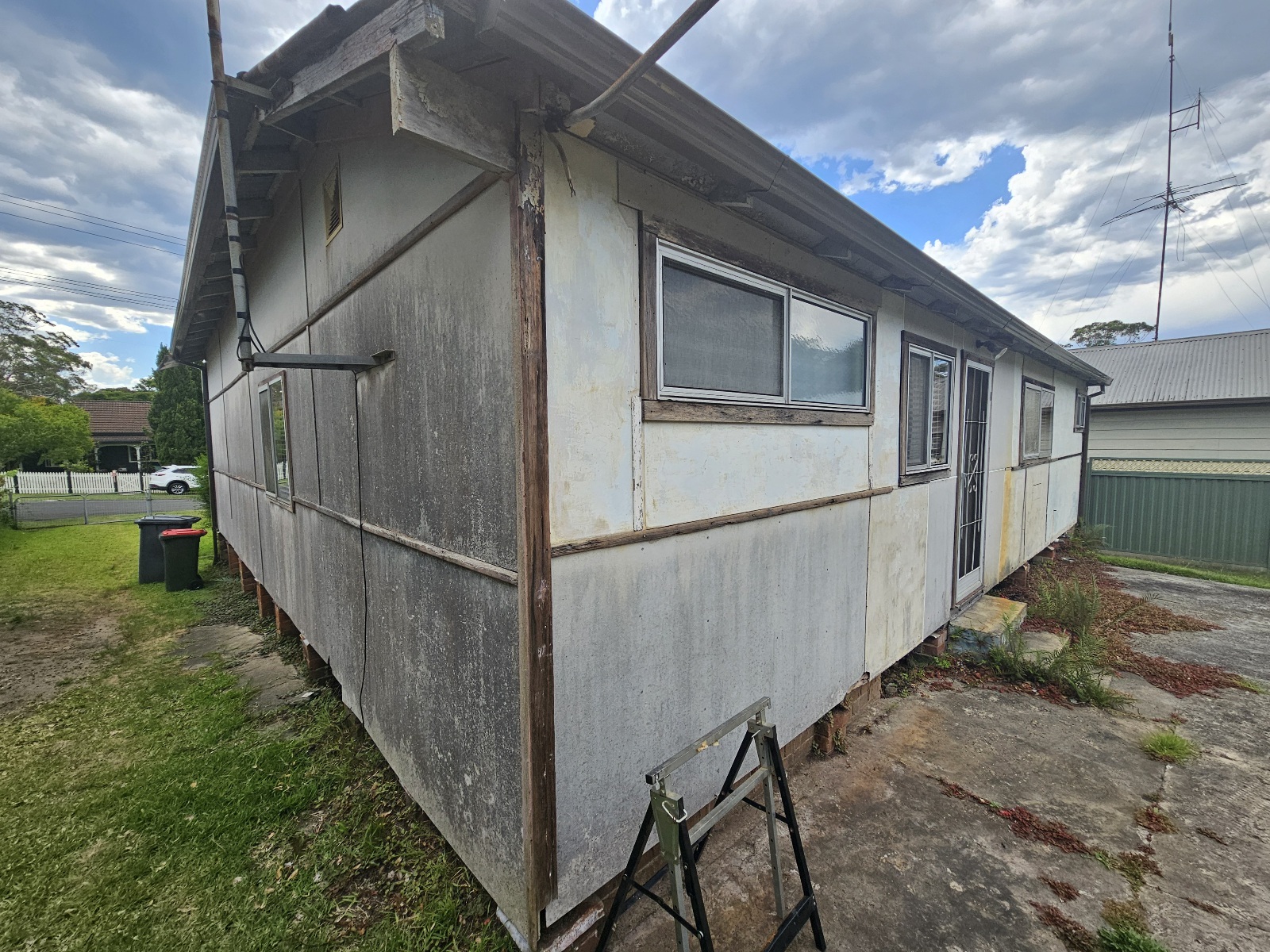
    Late-summer is a busy window for Sydney property deals. If the home or building you are buying, selling or managing was built before 1990, asbestos should be on your checklist. It is common in eaves, roofing, wall linings, bathrooms and garages across Greater Sydney, and it can affect timelines, pricing and legal obligations.

    This guide explains when to arrange asbestos inspections, what is in a report, how sampling and lab testing work, typical costs and how findings shape negotiations. You will also find Sydney-specific disclosure rules, workplace register requirements and practical advice on removal versus management.

    Sydney Asbestos provides fast, compliance-first inspections, coordinated testing with NATA-accredited labs and licensed Class B removal for bonded materials across Greater Sydney, including Sutherland Shire and Engadine.

    When to book an asbestos inspection or survey

    Book a survey if any of these apply

    • The property was built before 1990, or contains materials used up to 2003.
    • You are planning renovations, demolition or a bathroom or garage upgrade.
    • You are preparing a sale, pre-purchase due diligence or pre-settlement checks.
    • You see cracked, weathered or suspicious cement sheeting, tiles or ceiling finishes.

    For residential transactions, a dedicated asbestos inspection sits alongside building and pest reports. Standard homebuyer reports typically note suspected materials visually but do not confirm asbestos without sampling. If you need certainty for pricing or renovation plans, arrange an asbestos inspection with testing.

    For workplaces and commercial sites in NSW, an asbestos survey and asbestos register are required if asbestos-containing materials (ACMs) are present or likely to be present. The register must be accessible to workers and contractors and kept up to date.

    What an asbestos report includes

    A professional survey from Sydney Asbestos is designed to support decisions during a sale, purchase or renovation. You can expect:

    • Site and building details, construction era and areas inspected.
    • Photo-documented locations of suspected ACMs, plus condition and priority ratings.
    • Notes on inaccessible areas and why they were excluded.
    • Clear recommendations, such as test this, manage in place, or remove before works.
    • Laboratory results for any collected samples, with material type and risk notes.

    The report is written in plain English so buyers and vendors can align on scope and cost implications.

    How many samples, how labs test and turnaround times

    Sample numbers vary with property size and materials. A small house may require 2 to 5 bulk samples to confirm high-likelihood spots, while larger or renovated properties may need 6 to 12 to address different linings, flooring or roof sections. Your inspector will only sample where results change a decision.

    Testing is coordinated with NATA-accredited laboratories using AS 4964 compliant polarised light microscopy with dispersion staining (PLM). Where PLM is inconclusive, specialist methods such as scanning electron microscopy with energy dispersive X-ray (SEM-EDX) or transmission electron microscopy (TEM) can be used. Standard lab turnaround is commonly 24 hours, which fits tight pre-settlement or pre-auction schedules.

    Typical costs in Sydney

    Pricing depends on property size and sampling needs, but these guideposts help set expectations:

    • Asbestos inspection in Sydney: base visual inspection typically around AUD $250 + GST, including one lab sample.
    • Additional bulk samples: often $100 each on site, with lab fees in the range of $40 to $140 per sample depending on method and urgency.
    • Removal pricing: quoted case by case. Small bonded jobs have minimums that reflect setup, containment, PPE, HEPA cleaning and disposal, commonly in the $650 to $1,100 range. Roofs, bathrooms and garages are priced per square metre and access.

    To organise a rapid pre-purchase test in the Sutherland Shire, you can use Sydney Asbestos’ local booking page for asbestos testing in Sutherland Shire. For bonded roof sheets, see the overview of asbestos roof assessment services for Sutherland.

    Sydney legal must‑knows for buyers, sellers and managers

    • Residential disclosure: NSW vendors must answer the Property and Stock Agents disclosure questions truthfully. If you know asbestos is present or likely, you must not mislead buyers. Real estate agents must not make false or misleading statements. Many contracts include building and pest conditions, and buyers often request an asbestos inspection for certainty.
    • Workplaces and common areas: Commercial properties and strata common property must maintain an asbestos register and, where needed, an asbestos management plan. Contractors must be informed before works begin.
    • DIY limits: In NSW, unlicensed individuals are limited to very small amounts of bonded asbestos. Exceeding thresholds or working on friable materials requires licensed removal. Penalties apply for unsafe removal or illegal disposal.
    • Disposal: Asbestos waste must go to licensed facilities in sealed, labelled packaging. Councils and landfills have booking and packaging rules. Turning up with unwrapped material will lead to refusal.

    Sydney Asbestos follows SafeWork NSW and the WHS Regulation 2017 and provides documentation for legal disposal and, where required, post-removal clearance.

    How findings affect negotiations

    Asbestos does not automatically kill a sale. A clear report helps both sides quantify risk and cost. Common outcomes include:

    • Vendor arranges removal of high-priority bonded materials prior to settlement.
    • Buyer proceeds with a price adjustment that reflects quoted removal costs.
    • Parties agree to manage low-risk, intact bonded materials in place with documented controls, deferring removal to a planned renovation.

    Sydney Asbestos issues practical recommendations so you can compare quotes and factor timelines. For bonded bathroom linings or garage roofs, licensed removal is often the cleanest path before a new fit-out or re-roof.

    Removal versus management

    • Remove when materials are damaged, weathered, delaminating or will be disturbed by planned works. Typical examples include cracked eaves, leaking corrugated cement roofs, bathroom strip-outs and garage demolition.
    • Manage in place when bonded materials are intact, sealed and unlikely to be disturbed. Management involves lab confirmation, labeling in the register, periodic condition checks and safe work procedures for any future trades.

    Sydney Asbestos is a Class B contractor specialising in bonded materials. If friable asbestos is identified, they will refer you to a suitable Class A licence holder, then return for post-removal clearance if required. Learn more about licensed asbestos removal across Sydney, including pricing factors and service scope.

    Fast inspections, quotes and clearance

    Need results before auction or settlement? Sydney Asbestos offers quick phone quotes and free site visits, with many lab results back within 24 hours. After removal, the team completes H-Class HEPA vacuum cleaning and can arrange air monitoring and clearance verification so areas can be reoccupied with confidence. If you are comparing options in the Shire, you can also explore a local asbestos removal company page for Engadine to see nearby capability and coverage.

    Quick FAQ

    • Do real estate agents have to tell you about asbestos? Agents and vendors must not mislead buyers. If asbestos is known or reasonably suspected, it should be disclosed accurately in NSW sale documentation and communications.
    • Does a homebuyer’s survey check for asbestos? Standard building reports flag suspected materials visually, but they rarely include sampling. Book an asbestos inspection with testing if you need confirmation.
    • How much does it cost to get someone to check for asbestos? In Sydney, a typical inspection starts around AUD $250 + GST with one sample included, with additional samples generally $100 each and lab fees commonly $40 to $140 per sample.
    • How much does an asbestos inspection cost in Sydney? Expect a similar range to the above, with the final price based on property size and number of samples.
    • Would you buy a house with asbestos in it? Many Sydney homes contain bonded asbestos. With a clear report and a removal or management plan, purchases routinely proceed. Use findings to negotiate scope, price and timing.
    • Can you sell a house with exposed asbestos? You can sell, but exposed or damaged asbestos should be addressed due to health risk and likely buyer objections. Vendors often arrange licensed removal or agree a price adjustment based on quotes.

    Summary and next step

    Asbestos is manageable with the right process. Arrange a targeted inspection, confirm high-likelihood materials with accredited lab testing, and use the report to decide on removal versus management and to negotiate fairly. In Sydney, plan around typical inspection fees of about $250 + GST with one sample, plus per-sample lab charges, and expect 24-hour lab turnaround in many cases.

    If you need a rapid, SafeWork NSW compliant inspection, testing or bonded removal anywhere in Greater Sydney, contact Sydney Asbestos for a fast quote, clear guidance and post-removal clearance when required.

  • Holiday Clean‑Ups: How To Legally Dispose Of Asbestos In NSW (Without Fines Or Risk)

    Holiday Clean‑Ups: How To Legally Dispose Of Asbestos In NSW (Without Fines Or Risk)

    Holiday Clean‑Ups: How To Legally Dispose Of Asbestos In NSW (Without Fines Or Risk)

    Pre‑Christmas clean‑outs and summer shed projects are great until you hit old fibro, a cracked garage roof, or mystery wall sheeting that looks like asbestos. If your home was built before 1990, there is a fair chance some materials contain asbestos. This guide gives you practical, compliant steps to dispose of asbestos in NSW safely, without fines or unnecessary risk, and helps you decide when to book testing, when to call a Class A partner for friable materials, and when a licensed Class B removalist can legally manage a small bonded job.

    What counts as bonded asbestos, and why you must not break sheets

    Most asbestos in NSW homes is bonded or non‑friable. Think fibre‑cement wall and eave sheets, corrugated Super Six garage roofs, vinyl tiles and old bathroom underlay. Fibres are locked into a cement or resin matrix.
    The risk escalates when sheets are cut, drilled, or broken, because damaged edges and dust can release fibres. Never snap sheets to fit into bags. Never sand or grind paint or adhesives. Keep materials intact, damp, and handled by licensed professionals with the correct PPE and containment.
    Friable asbestos is different. It crumbles easily, includes pipe lagging, loose insulation and fire‑proofing, and must only be removed by a Class A licence holder. If the material looks soft, dusty, or deteriorated, treat it as friable until proven otherwise and do not disturb it.

    The 10 m² DIY threshold in NSW, and why DIY is still a bad idea

    NSW law allows unlicensed individuals to remove up to 10 m² of bonded asbestos. This is a legal upper limit, not a recommendation. DIY comes with serious exposure risks and strict rules for wrapping, labelling, transport and disposal. One mistake can contaminate your home or lead to heavy penalties. We strongly recommend you hire a licensed Class B removalist for any bonded asbestos, even below 10 m², and use a Class A contractor for any friable or suspect material.

    Packaging, labelling and transport, the essentials for legal disposal

    If you are organising legal disposal, NSW rules require that asbestos waste be:

    • Wet down to reduce dust.
    • Double‑wrapped in 200 micron thick plastic, sealed with tape, and labelled clearly as asbestos waste.
    • Placed into labelled asbestos waste bags or wrapped bundles, kept intact and handled with care.
    • Transported in a covered vehicle to a facility licensed to accept asbestos, with loads secured to prevent tearing or leakage.

    Do not mix asbestos with general waste. Do not reuse bags. Keep the work area isolated. Wear appropriate PPE, including a P2 respirator, disposable coveralls, gloves and eye protection. Decontaminate or dispose of used PPE correctly.

    Can you take asbestos to the local tip?

    Only some waste facilities in NSW accept asbestos, and many require pre‑booking, limits on volume, fees per load or per kilogram, and strict packaging standards. Some councils offer booked drop‑off events or vouchers for residents, often with caps and rules around proof of residence and wrapping. Check your council website and the EPA facility list before you start. Turning up at the local tip with unwrapped or incorrectly packed sheets will result in refusal and possible reporting.

    How Sydney Asbestos handles pickup, wrapping and legal disposal

    Sydney Asbestos is a licensed Class B contractor focused on bonded asbestos. For small domestic loads through to full garage roofs, we provide:

    • Compliance‑first collection and removal with site isolation, signage and wet methods where applicable.
    • H‑Class HEPA vacuum cleaning and thorough clean‑down.
    • Safe wrapping and sealing with compliant labelling.
    • Transport to accredited asbestos landfill sites with legal disposal documentation.

    If we identify friable asbestos, or if bonded materials are in a friable state, we coordinate a trusted Class A partner and manage the handover so you stay compliant without guesswork.

    When to book inspection and testing before you touch anything

    If you are unsure whether a material contains asbestos, book an inspection or testing before any removal or disposal. A visual inspection can flag likely asbestos and recommend lab sampling, which is the only way to confirm. Typical inspection pricing starts around $250 + GST and includes one lab sample, with additional samples charged per item. Results usually return within 24 to 48 hours, which still fits pre‑holiday timelines and prevents unsafe mistakes.

    A simple decision tree for holiday clean‑ups

    • Not sure what it is, or the material is damaged or dusty, book inspection/testing first. Pause the project until you have confirmation.
    • Friable or likely friable (crumbly, soft, loose insulation, pipe lagging), call a Class A removalist. Ask us to connect you with a vetted partner.
    • Bonded and under 10 m², legally you can remove it yourself, but we recommend you book licensed Class B removal to avoid exposure and penalties.
    • Bonded and over 10 m², you must use a licensed removalist. Call us to schedule a compliant plan and disposal.

    How to dispose of asbestos in NSW without risk or fines

    • Identify materials with inspection and, if needed, lab testing.
    • Engage the correct licence class, Class B for bonded, Class A for friable.
    • Use compliant controls, wet methods, PPE, containment and HEPA cleaning.
    • Wrap, label and transport to a licensed facility only, with documentation kept.
    • Keep neighbours informed where appropriate, and restrict access during works.

    Following these steps is the safest way to get rid of asbestos, and it aligns with SafeWork NSW and WHS Regulation 2017 requirements.

    Costs, what to expect for disposal and removal

    How much does it cost to dispose of asbestos? Landfill fees vary by site and weight or volume, and councils may charge differently for residents versus commercial. Typical small bonded jobs have a minimum charge to cover setup, containment, PPE, wrapping and disposal runs. Expect a minimum between roughly $650 and $1,100 for very small pickups, with larger projects priced per square metre based on material type, access, height, roof pitch, and distance to an accredited facility. If you are asking how much to dump asbestos by yourself, remember to factor special bags, plastic sheeting, PPE, vehicle protection, booking fees and time at the facility. In many cases, hiring a licensed removalist is safer and surprisingly cost‑effective once all true costs are counted.

    Penalties for illegal dumping and non‑compliance

    Illegal dumping of asbestos or transporting it without correct wrapping and labelling attracts heavy fines in NSW. Penalties can apply to homeowners, contractors and transporters. You also risk contaminating your car, driveway, and neighbours’ properties. Play it safe. Use licensed professionals and keep your disposal paperwork.

    Local, fast and compliant support

    Based in Sylvania and servicing Greater Sydney, we prioritise safe, legal outcomes with licensed removal, NATA‑accredited testing coordination and documented disposal. If you are in the Shire or nearby and need quick help before the holidays, we can often arrange same‑week inspections and small bonded removals.
    Need bonded removal with documentation, see asbestos removal Sydney.
    Planning renovations and want certainty, book asbestos test Sutherland.
    Looking for a trusted local team, learn more about asbestos removal company Engadine.

    Quick answers to common questions

    How to dispose of asbestos in NSW, identify the material, engage the right license class, wrap and label to standards, and use a licensed facility for disposal. Keep records.
    Can you take asbestos to the local tip, only if the facility accepts asbestos and you follow wrapping, booking and fee rules. Many tips do not accept it. Check before you travel.
    How much does it cost to dispose of asbestos, fees vary by facility, load size and packaging; professional removal quotes include labour, PPE, containment, wrapping and landfill charges.
    What is the safest way to get rid of asbestos, hire licensed removalists who follow SafeWork NSW rules and deliver legal disposal.
    How to get rid of a small amount of asbestos, under 10 m² of bonded is legal for DIY, but the safest choice is a licensed Class B removal with proper wrapping, labels and transport.

    Summary, head into the holidays safe and compliant

    A clean garage or a fresh renovation is not worth the health risks or fines that come with mishandling asbestos. Treat unknown materials with caution, book inspection and testing when in doubt, and use licensed removal
    for bonded and friable scenarios as required. Sydney Asbestos provides inspection, testing coordination, licensed bonded removal, wrapping and accredited landfill disposal, with clear documentation from start to finish.
    Call 1300 04 DEMO or visit our website to secure a pre‑holiday slot and get your clean‑up done safely and legally.

  • Sydney Summer Reno Plans? The Real Cost Of Asbestos Removal In NSW (And How To Budget)

    Sydney Summer Reno Plans? The Real Cost Of Asbestos Removal In NSW (And How To Budget)

    Planning a bathroom upgrade, new eaves, or a garage makeover before Christmas? If your place was built before 1990, there is a fair chance asbestos is in the mix. The good news is you can budget with confidence when you understand how pricing works in NSW. This guide explains realistic costs for inspections, testing, licensed removal and disposal across Greater Sydney and Wollongong, what drives the numbers, and how to set a renovation plan that stays legal and safe.

    First things first, do not DIY

    In NSW, unlicensed removal of more than 10 m2 of bonded asbestos is illegal. Any friable asbestos requires a Class A licence. Even small amounts create health risks if disturbed and improper disposal attracts heavy fines. Always use licensed removalists and follow SafeWork NSW rules. Sydney Asbestos holds a Class B licence for bonded asbestos; if friable material is found, we refer you to a trusted Class A partner so you stay compliant.

    What a proper asbestos quote should include

    What a proper asbestos quote should include A transparent quote should spell out the controls and compliance steps, not just a square metre rate. Look for:

    • Site-specific plan and containment, including plastic sheeting and isolation of work areas
    • SafeWork NSW notifications where required
    • Worker PPE, respirators and decontamination
    • Wet methods for dust control and H-Class HEPA vacuum cleaning
    • Wrapping, labelling and transport to a licensed asbestos landfill
    • All disposal fees and tip dockets
    • Clearance inspection and, where required, air monitoring or a clearance certificate

    If any of these items are missing, expect surprises later. Cheap quotes often exclude disposal or clearance, which inflates the final cost.

    How much does an asbestos inspection cost in Sydney?

    Most homeowners start with an inspection to confirm locations and reduce guesswork. In Sydney, a base asbestos inspection typically starts around $250 + GST and includes one lab tested sample. Extra samples are usually about $100 each and lab charges generally run $50 to $150 per sample depending on turnaround. Standard lab results take 24 to 48 hours. If you are searching for pricing or service availability, you can learn more here: asbestos inspection sydney.

    Typical removal costs in NSW, by job type

    Every job is site specific. Access, height, condition, distance to landfill, and whether a clearance is needed, all shape the final price. The ranges below are ballpark only and assume bonded asbestos handled by a Class B contractor.

    • Small bathroom strip out, bonded wall linings only, 6 to 10 m2 Approx $900 to $1,800 including containment, PPE, HEPA clean and disposal. Tiled walls or backs of old fibro sheets can increase effort and cost.
    • Eaves or external wall sheeting, single storey, 15 to 40 m2 Approx $1,500 to $3,500 depending on access, soffit width, and whether scaffold or edge protection is required. S
    • Small garage or shed, corrugated Super 6 roof with matching walls, 20 to 40 m2 roof plus walls Roof only often sits from $40 to $60 per m2 for removal, then add wall sheeting, disposal and site setup. Whole small structures commonly land between $2,000 and $5,000.
    • House areas of Super 6 roof panels, 80 to 150 m2 Removal often ranges from $40 to $70 per m2 based on height, pitch, fixings, and access. Larger continuous areas can be more efficient, but steep pitches and fragile sheets add time and controls.
    • Pick up and disposal of neatly stacked, double wrapped bundles Pricing depends on weight, volume, and travel to the nearest licensed facility. Expect $400 to $1,200 for small domestic pickups, with landfill fees itemised.

    These figures include minimum charges where relevant and assume bonded material. If material proves friable during inspection or is in poor condition that crumbles on touch, you will need a Class A removalist and the cost structure changes accordingly.

    Minimum charges and why they exist

    Most licensed contractors apply a minimum day rate or callout to cover setup, containment, PPE, notifications, HEPA cleaning, and disposal. In Sydney, minimums for very small jobs often land between $650 and $1,100 depending on distance, parking, and landfill fees. This protects you because even small removals must follow the same safety steps as larger jobs.

    The cost to remove and dispose, explained

    Clients often ask, how much does it cost to remove and dispose of asbestos? The quote usually includes:

    • Labour and supervision by a licensed team
    • Containment and HEPA clean to a defined standard
    • Waste packaging materials and labelled bags
    • Transport and licensed asbestos disposal fees
    • Clearance inspection, and air monitoring where required by scope

    Disposal is a major driver. Landfill charges vary by facility and can be charged by weight or volume. If your site is far from a licensed facility, transport time can add cost as well.

    Class B versus Class A, and why it matters for budgeting

    • Class B covers bonded asbestos such as cement sheeting and Super 6 roofing when the material is intact and non friable. Most domestic renovation removals fall here.
    • Class A covers friable asbestos that crumbles easily, pipe lagging, sprayed insulation and similar high risk materials.

    Class A jobs need tighter controls and more testing, which lifts pricing. A good inspection will flag the likely classification before you commit to a removal budget.

    What drives price up or down

    • Access and height, ladders versus scaffold, roof pitch, tight side paths
    • Condition of the sheets, fragile or broken sheets need extra controls
    • Size and complexity of the area
    • Proximity to a licensed landfill, traffic and travel time
    • Clearance requirements, air monitoring and certificates
    • Mixed waste and hidden layers uncovered during a strip out

    A detailed survey reduces contingency. It also keeps your renovation timeline realistic by aligning trades after clearance.

    Quick answers to common cost questions

    • How much would it cost to get asbestos removed, and is it expensive to get asbestos removed? Small bonded jobs may start around the typical minimum charge of $650 to $1,100.
    • Larger or complex jobs scale by area and access, often $40 to $70 per m2 for roofing, with full site costs based on the inclusions noted above.
    • How much does it cost to remove asbestos in NSW? Costs vary by region and landfill fees, but Greater Sydney and Wollongong generally align with the ranges in this guide.
    • What is the minimum charge for asbestos removal? Expect a minimum in the $650 to $1,100 range to cover compliance steps and disposal.
    • How much does asbestos inspection cost Sydney? Allow from $250 + GST with one lab sample included; extra samples are typically $100 each.
    • How much does it cost to remove and dispose of asbestos? Ensure disposal fees are itemised; travel and tip charges can be significant. Ask for the landfill name and docket copies with your invoice.

    How testing and lab work fit into quotes

    Visual inspection can identify suspected materials, but only NATA accredited lab testing confirms asbestos. Many quotes include one or more bulk samples for confirmation. If testing shows the material is not asbestos, you can save thousands by avoiding unnecessary removal and disposal.

    Planning your summer renovation timeline

    • Book an inspection early so you have results within 48 hours
    • Finalise scope and quote with inclusions listed above
    • Schedule removal, HEPA clean and any required clearance before your builder starts
    • Keep children, pets, and non-essential trades away during removal
    • Retain your documentation for council, sale, or insurance records

    Local, licensed and ready to help

    Sydney Asbestos services Greater Sydney and Wollongong with licensed, insured, compliance first removal. We provide free on site quotes and can coordinate testing with fast turnaround. If you are comparing prices for asbestos removal Sydney, our team will break down labour, containment, disposal and clearance in plain language so you know exactly what you are paying for. Promotions are available at times, including a $100 discount when you mention this article. Ask about current offers when you book.

    Summary and next steps

    Asbestos costs in NSW are driven by classification, access, area, and disposal. For small bonded jobs, allow for the typical minimum charge to cover containment and safe disposal. For larger areas, expect square metre rates with itemised landfill fees and a clear plan for HEPA clean and clearance. Start with an inspection so you can budget accurately and sequence your summer renovation without delays.

    Ready for a free on site quote or need fast testing before you book trades? Call 1300 04 DEMO or request your quote online. If you are in the Sutherland Shire and comparing providers, you can explore our service area pages using this helpful anchor: asbestos removal Sutherland.

  • When Was Asbestos Banned?

    When Was Asbestos Banned?

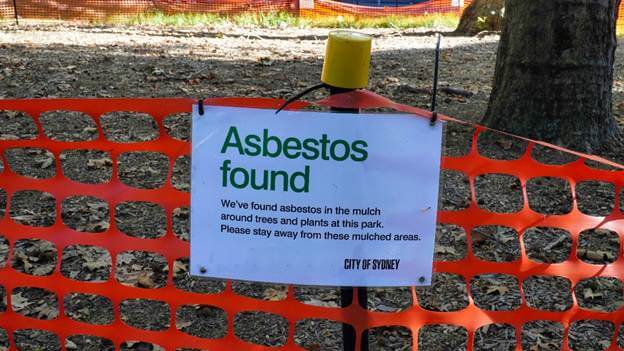
    Remember the time when asbestos found in mulch in parks across Sydney made national news? Well, apart from having its own Wikipedia entry now, dozens of charges have been filed against the contractor responsible. The investigation turned up nearly 80 sites all over NSW containing asbestos – all of which have, fortunately, been cleaned.

    Although experts said most of the sites contained encapsulated asbestos, which was less likely to degrade into a major health risk, the public’s overall reaction was understandable. Australia’s long history of asbestos usage dates back roughly 150 years ago, and they mined and processed a lot of it, only to suffer the consequences later.

    A combination of federal and state laws led to the total ban on asbestos on December 31, 2003 (though it took effect the following day), joining nearly 70 countries. The road to the ban was as coarse and rough as the asbestos fibres themselves.

    The First Wave (1880s – Early 1900s)

    Asbestos is formed when magnesium-rich rocks undergo what the U.S. Geological Survey calls “metasomatic replacement.” Without too much jargon, this phenomenon involves replacing one mineral with another, mainly through exposure to magma. As Australia has the fourth-largest magnesite reserve in the world, asbestos deposits are a given.

    Yet, it wasn’t until the 1880s that Australia first utilised the mineral to create fire-resistant building materials. Coupled with the many places to mine asbestos, it quickly became the primary material for residential and commercial construction at the time.

    Although medical experts at the time stressed the importance of minimising silicate dust at work, most had little to no understanding of how exposure to asbestos leads to adverse health effects. It resulted in the so-called “first wave” of cases, primarily affecting miners and industrial workers who regularly handle a wide range of forms of asbestos.

    It wasn’t until 1906, with Dr Montague Murray’s autopsy of the first documented asbestos-related fatality (at least in modern history), that the health risks of asbestos exposure would come to light. In Australia, the first recorded death by asbestosis (a term coined in 1927) was an asbestos mill hand in NSW in 1933.

    Despite mounting evidence, domestic asbestos production only continued to rise during this period. By the late 1930s, more asbestos mines became operational, particularly in the area surrounding the then-town of Wittenoom in Western Australia.

    Buildings this old can still be found today, their asbestos untouched but either already or at risk of breaking down. Regardless, they require immediate asbestos roof removal for Sydney property owners to mitigate the risk to human health.

    The Second Wave (1940s – 1970s)

    Asbestos was a vital wartime resource during World War II, used for nearly everything from firefighting gear to insulation for warships. In 1942, the U.S. accounted for three-fifths of global asbestos consumption, prompting it to import from other friendly countries.

    Demand remained high after the war as cities and towns struggled to rebuild. Much of the country was spared from the destructive air raids, but places that weren’t such as Darwin fuelled domestic demand. During this time, production of asbestos-containing materials (ACMs) reached an all-time high.

    But as ACMs found their way to new homes and commercial buildings during the post-war construction boom, so too did workers using them become increasingly exposed. The resulting “second wave” included utility workers and tradespeople who were exposed to asbestos fibres while cutting and fitting ACMs to the appropriate dimensions.

    After reaching its peak, asbestos production and importation began its slow decline. Some mines were also shut down, namely the Wittenoom mine in 1966, though the reasons were more business-related than awareness of its health hazards. It was the country’s main source of crocidolite, also known as blue asbestos.

    It took the media to get the public to really talk about the dangers of asbestos. In 1977, the late ABC radio journalist Matt Peacock ran a seven-part radio program that discussed how it endangered worker safety. Despite the asbestos industry fighting any such attempts, it inspired more reports like Catherine Martin’s article for the West Australian one year later.

    The Third Wave (1980s – Current)

    The 1980s sounded the death knell for asbestos usage in Australia. The Parliament launched investigations on the adverse health effects of asbestos mining on the local Aborigines, such as the 1984 inquiry on workers on the now-closed Baryulgil asbestos mine. A year before, the asbestos mine at Woodsreef was closed due to non-compliance with dust control regulations.

    However, by this time, asbestos is present in nearly every house and building in Australia. The slow degradation of ACMs and accidental discoveries during renovation work started the “third wave” of asbestos-related disease cases, affecting families and employees.

    Australians have no appetite for a fourth wave, so the government took action and banned the production and importation of asbestos in 2003.

    It’s anyone’s guess how long it will take for every house and building to be free of asbestos-containing products. A study by the Asbestos Safety and Eradication Agency found that over six million tonnes of ACMs remain in the built environment. Its Asbestos National Strategic Plan aims for a 2030 deadline as the halfway point, with an absolute deadline of 2068.

    Until then, it falls on professionals like us and the general public to work together and help meet that strict deadline. Asbestos has no room in the current Australia.

  • Who Can Remove Asbestos in NSW?

    Who Can Remove Asbestos in NSW?

    We always advise our clients to get a licenced asbestos removal service to dismantle and dispose of asbestos-containing materials (ACMs) in their houses and buildings. These building materials become a serious health hazard when they suffer damage due to mishandling, and the risk of asbestos exposure grows when friable asbestos is involved.

    This isn’t necessarily from a business-related perspective. The government understands how dangerous asbestos can be when not handled properly, which is why they mandated that any removal job involving more than 10 square metres of non-friable asbestos must be done by professionals. The same goes for any amount of friable asbestos.

    So that’s one question answered, though it begs another. What qualifies as an asbestos professional?

    Who Removes What

    The Work Health and Safety Regulations 2017 prohibit any person not holding an asbestos removal licence or equivalent from performing any asbestos-related work. The penalty can be quite hefty: 73 penalty units for individuals and 364 for corporate bodies.

    For the 2024-25 financial period, one penalty unit equals AUD$120.42. After crunching the numbers, individuals can end up paying roughly AUD$8,800 and businesses AUD$44,000. By comparison, a complete asbestos removal service (inspections and all, including GST) is a fraction of that. Not to mention Australian government subsidies can reduce the cost.

    Licenced asbestos removal in Sydney is divided into two classes: Class A and Class B. We explained this briefly in a previous post, but this one will delve into more detail.

    Class A Licence

    As the higher licence of the two, Class A licence holders are authorised to perform work on both friable and non-friable asbestos. However, their usual work involves the former, given that they’re the only professionals allowed by law to remove it.

    Due to the nature of their work, Class A removalists are highly learned and skilled with regard to anything asbestos. As such, they’re better positioned to perform in situ ACM management or handling asbestos-containing productswhen removal is impractical or risky.

    The downside is their fewer numbers. It’s hard to get an exact count, but according to one study by researchers from Curtin University, there are more Class B licence holders than Class A ones (even as it had more of the latter as respondents). One possible reason for this is that there are more non-friable ACMs than friable ones.

    Class B Licence

    Class B licence holders are only permitted to deal with non-friable ACMs, typically asbestos bonded with other materials like cement. As these building materials don’t break down as easily as their friable counterparts, Class B removal is much easier and safer to conduct than Class A removal.

    Sydney Asbestos is a Class B asbestos removal contractor, meaning our team only deals with non-friable asbestos removal. If you need a Class A removalist, don’t hesitate to ask us for referrals.

    Licencing Requirements

    SafeWork NSW is the sole authority that issues both classes of asbestos removal licences in the state. The licences can be used within NSW and in other states via Automatic Mutual Recognition (AMR) or conventional MR, though licence holders must notify the governing state body before working on a removal job.

    The requirements for licencing are mostly the same for both classes. SafeWork NSW states that the applicant must:

    • Be at least 18 years of age
    • Have been trained by a Registered Training Organisation
    • Have a record of their asbestos removal job (e.g., photographs, documentation)
    • Have worked on at least three jobs in their respective class over 12 months and under a nominated supervisor’s guidance

    A nominated supervisor must also be a licence holder of the same class as the applicant is applying for. SafeWork NSW allows the applicant to designate themselves as one if they’re self-employed traders. Supervisors must be on-site to oversee the safe removal work, whether it involves friable or non-friable ACMs.

    Training requires completing a two-day course on friable/non-friable asbestos removal and a one-day course on asbestos removal supervision. Provided certification must be brought to SafeWork NSW as proof of completion.

    The only difference in requirements is that Class A applicants must also have a Certified Safety Management System (CSMS) in place. This provides a framework for dealing with safety risks and ensuring all safety protocols are working as intended. The CSMS must be accredited as compliant with ISO 45001:2018 by a JAS-ANZ-certified body.

    Both licences are good for five years, after which they need to be renewed.

    Removal Without A Licence

    Although state law prohibits asbestos removal without a licence (or the right one), it allows non-licence holders to do such work provided the total amount of non-friable asbestos to be removed is less than 10 square metres.

    To put that into perspective, 10 sqm can be hardly called a small bedroom. According to the Asbestos and Silica Safety Eradication Agency, it’s only as big as one wall of a regular-sized bathroom. Most jobs yield way more than this.

    We don’t advise DIY asbestos removal because non-licence holders won’t be exempt from removal and asbestos disposal regulations. In other words, they’ll be responsible for complying with the code of practice and the consequences of doing otherwise. The Regulations cover other offences related to asbestos management, such as improper disposal of asbestos waste materials.

    Then again, if you feel confident about your expertise and have the right equipment for the job, DIY removal is reasonable. Nevertheless, the safer (and more cost-effective) option is still to hire a licenced asbestos removalist.

  • How to Identify If You Have Asbestos in Your Lungs

    How to Identify If You Have Asbestos in Your Lungs

    Once asbestos fibres enter via inhalation, the body’s immune system will fight them to the best of its abilities. Unfortunately, in many cases, it can’t stop the damage the microscopic fibres inflict from spreading and worsening. While the fibres’ rampage inside the body can take years, if not a lifetime, knowing that something is slowly killing you inside isn’t reassuring.

    Asbestos exposure shouldn’t be taken lightly. The naked eye can’t see the fibres coming, the naked nose can’t pick up their scent (because they don’t have any) and it’s anyone’s guess as to how much havoc they’ll wreak once inside the body. That said, there are ways to identify if they manage to enter, which is essential for timely medical intervention.

    Look for Symptoms

    Not all asbestos exposures result in adverse health conditions. As we explained in our blog post about single exposure to asbestos, short-term exposure has a low risk of escalating into an asbestos-related disease (ARD). However, it’s a different story for multiple short-term or continuous exposure to the material.

    Most ARDs begin as asbestosis, which Lung Foundation Australia defines as inflammation and lung scarring due to the asbestos fibres lodging themselves into delicate lung tissues. Common asbestos exposure symptoms usually don’t manifest unless constantly inhaling asbestos for 10 to 30 years. When they do, these include but aren’t limited to:

    • Shortness of breath
    • Persistent dry cough
    • Swelling of the fingers, a.k.a. clubbing
    • Crackling sound during inhaling
    • Loss of appetite
    • Coughing up blood

    As the fibres remain lodged over time, they start affecting the surrounding cells down to their DNA. This is how inhaling asbestos leads to asbestos cancer, the most well-known being malignant mesothelioma. At that point, the common symptoms include both those of asbestosis and those of the type of mesothelioma.

    • Pleural mesothelioma: Chest pain, difficulty swallowing, swelling of the face and arms, extreme tiredness, muscle weakness
    • Peritoneal mesothelioma: Abdominal pain and swelling, constipation, sudden and unexplainable weight loss, nausea and vomiting
    • Pericardial mesothelioma: Heart murmurs, irregular heartbeat and palpitations (arrhythmia), difficulty breathing while lying down
    • Testicular mesothelioma: Swollen testes, lump and fluid in the scrotum

    Any of these symptoms should warrant a check-up with your GP or a specialist as soon as possible. A cure for asbestosis, let alone mesothelioma, may currently be far off, but these asbestos-related illnesses can be prevented from worsening further.

    Undergo Medical Tests

    If your GP or specialist suspects an ARD is plaguing you, they may recommend testing to examine your lungs more closely. GPs may advise any of at least a dozen tests depending on the severity of the health effects, but the two most common are chest X-rays and lung function tests.

    A chest X-ray (also called a chest radiograph) can capture opacities that point to damage in the lungs caused by asbestosis, but it can’t detect the actual fibres responsible for the disease. For that, the GP may recommend tests involving retrieving a lung tissue sample and viewing it under a microscope, somewhat similar to standard asbestos testing.

    Meanwhile, lung or pulmonary function tests consist of a series of exercises your lungs must undergo to evaluate their overall function. An example is the lung volume test, which determines lung capacity through inhaling and exhaling. Asbestosis is known to reduce the amount of air the lungs can hold.

    Catching It Early is the Key

    If it isn’t obvious yet, catching the signs of asbestosis or ARDs (asbestos-related diseases) in the early stages is crucial in mitigating its health problems. Of course, it’s still better not to catch the disease in the first place, but not everyone living in pre-1990s homes has that luxury.

    On that note, if you know that your house was built at the height of Australia’s dependence on asbestos, it pays to schedule an asbestos inspection. This applies whether or not any of your house’s occupants are suffering from an ARD. Limiting further exposure to asbestos can greatly help limit the disease’s growth, if not reducing the risk of getting it.

    Determining if your property needs to be checked for asbestos comes down to deduction. Given the overarching ban on asbestos, a house built before 1990 is the only major source of its life-threatening fibres. It’s possible that the fibres may have come from the workplace by latching onto the worker’s clothes, but there are more homes than workplace buildings.

    Again, we strongly advise against renovating your pre-1990 house without checking it for asbestos-containing materials. The last thing you need is carelessly scattering asbestos dust all over your home and your neighbours’ homes by all the dismantling and disposal. Not to mention you can get fined a hefty sum for such action.

    Conclusion

    Asbestos in the lungs can only be identified through a combination of ARD symptoms and thorough medical testing, similar to identifying asbestos at home. Whether or not positive for asbestosis or any other related disease, it’s important to deal with any asbestos in your home immediately.

  • Can a Single Exposure to Asbestos Be Harmful?

    Can a Single Exposure to Asbestos Be Harmful?

    Asbestos-related diseases (ARDs) typically take a person’s lifetime to develop. Symptoms aren’t evident upon first contact with asbestos particles, but by the time they manifest, the damage has already been done. Worse, there’s currently no cure for such diseases.

    That’s why it’s an unpleasant surprise when a growing number of teenagers have fallen ill as of late in what experts call the peak of the “third wave” of ARDs. The Asbestos Disease Society of Australia was made aware of several teenagers with asbestos-induced cancers this year – over two decades after the material was outlawed nationwide.

    Australia’s legacy of asbestos use remains and is taking its toll on the current generation. As such, it pays to be informed about how being exposed to these dangerous building materials once can change one’s life forever and why professional asbestos roof removal in Sydney is a must before doing anything else to an asbestos-filled house.

    No Amount is Safe

    Asbestos has no business being in the human body under any circumstance. Its coarse microscopic fibres can tear through delicate lung tissue and damage cells down to their DNA, and any abnormal change to the DNA leads to cancerous growth in internal organs. Because of how asbestos works, the best way to protect yourself is to stay away from asbestos.

    Unfortunately, keeping a safe distance hasn’t always been easy. Asbestos is invisible to the naked eye and doesn’t carry any distinct odour or taste (not that it’s safe to ingest it). Its fibres can only be viewed and analysed through asbestos testing equipment maintained by a NATA-accredited laboratory.

    Because of this, homeowners only have a few options for protecting themselves. One of which entails awareness of the year the house was first constructed. Those built before 1990, the year asbestos was phased out for residential construction, most likely contain hazardous asbestos-containing materials (ACMs).

    Naturally, the older the house, the more likely it is to have asbestos. However, our team treats properties constructed before the 2000s as potentially containing asbestos products because the phase-out wasn’t completed until the ban was enacted at the end of 2003.

    A Matter of Time

    Given that we’ve established that no amount of asbestos is safe, “How much asbestos I’ve inhaled?” is a moot point. Instead, we should be asking, “How long have I been exposed to it?” After all, the amount of toxic asbestos in one’s system grows with the duration of exposure.

    The good news is that experts agree that short-term asbestos exposure has a low chance of inducing adverse health risks, let alone ARDs. Some of these scenarios include being close to an active demolition or renovation of a pre-1990s building and disturbing bonded asbestos mixed into the soil as mulch.

    The bad news is that multiple short-term exposures can build up over time, especially if other factors, like the type of asbestos and concentration levels, are taken into account. Repetitive heavy exposure puts the person at greater risk of asbestos cancers, even if they’re relatively rare (mesothelioma accounts for two diagnoses per day in Australia).

    If you know you’ve been near a source of asbestos dust recently, health experts say the best you can do is to avoid being exposed again and consult your GP as soon as possible. These steps will help lower your risk of developing asbestos diseases and cancers.

    Tips to Avoid Exposure

    If you aren’t suffering from health effects linked to short or long-term exposure, you definitely want to keep it that way. Prevention is better than cure, as doctors say. Here are a few steps you can take to minimise your and your family members’ chances of falling ill.

    • Work with a Professional for Asbestos Removal

      Not only is this mandated by NSW state law, but it also makes practical sense. The slightest mistake in handling ACMs can result in direct exposure to carcinogenic asbestos fibres, so it’s in anyone’s best interest to hire a professional for asbestos inspection and removal services. They also offer testing by working with a NATA-accredited lab.
    • Avoid Renovating Without Prior Inspection

      We can’t stress this enough for owners of pre-2000s homes: have your property undergo a thorough inspection before renovating part or all of it. Without a keen eye for ACMs, renovations can end up kicking up asbestos-laced dust and spreading these tiny particles across your home and neighbours.
    • Quit Bad Habits as Early as Now, Especially Smoking

      Smoking affects the lungs as much as inhaling asbestos fibres, and suffering from the effects of both is nothing short of a double whammy. Quitting is never easy, but your body will thank you for it in the long run.
    •  Follow Your GP’s Instructions

      Taking your doctor’s advice is always wise, regardless of your exposure. Tell them everything they need to know about any symptoms you’re experiencing, which will help them come up with a viable treatment.

    Conclusion

    There’s no such thing as a “safe level” when it comes to asbestos exposure. The risk may be low in small amounts, but the risk is still there and can grow over a long time. Whether or not you’ve been exposed, your priority should always be minimising any further exposure to prevent health problems.

  • Do You Need an Asbestos Inspection?

    Do You Need an Asbestos Inspection?

    By the time this blog post goes live, National Asbestos Awareness Week will be less than a week away. The campaign to get rid of every trace of this silent killer all across the country continues, with the first step being having enough awareness that it might be in your home. As we at Sydney Asbestos keep reminding our clients, asbestos can’t be seen or smelled.

    SafeWork NSW urges the public to “Be Asbestos Ready,” beginning by getting a presumptive asbestos inspection in Sydney. Then again, you have to ask yourself: “Does my property need one?” In light of National Asbestos Awareness Week, here are several indications that asbestos inspections are a must for homes.

    Built Before 1990

    The campaign’s theme centres around one question: “Is your home built before 1990?”

    Austrailian Homes

    Australia’s nationwide ban on asbestos took effect on December 31, 2003. However, the phaseout process began a few decades prior, with residential use of asbestos containing material (ACM) ending in 1990. In related notes, Australia stopped importing asbestos in 1983 and mined the material a year later.

    By the time of the nationwide ban, the Asbestos Safety and Eradication Agency (ASEA) estimated that one in three homes across Australia contained ACMs. Despite a steady asbestos eradication process over the next few decades, ASEA estimates that over six million tonnes of asbestos remain in homes and buildings.

    As a rule of thumb, our team recommends an inspection if your home was built before the nationwide ban in 2003. Although not as likely as one built before 1990, we don’t rule out the possibility of leftover asbestos being used to build homes between 1990 and 2003.

    If you have no idea when your house was first built or whether it’s undergone renovations, you can ask your council or state agency for the property’s records.

    Planning a Renovation

    Every few months, our team gets a job where the owner of a pre-ban home has begun a DIY or professional renovation without an inspection by an asbestos professional. The problem is that they realize too late that they have cut up a lot of ACMs, and the fibres are adrift with impunity.

    It doesn’t take much to disturb the asbestos and release its microscopic asbestos fibres, and nothing can stop airborne asbestos from being inhaled and wreaking havoc on the body. Australia remains one of the countries with the highest mortality rate for asbestos-related diseases, with an estimated 4,000 dying annually.

    Professional asbestos inspectors look out for two types of asbestos materials.

    Type

    Description

    Examples

    Friable

    This type of asbestos can easily crumble with hand pressure, making it the more immediate threat.

    Loose-fill insulation, spray-on coatings,pipe lagging

    Non-friable

    Usually bonded to cement, this type of asbestos takes more force to break down but can do so over time.

    Fibre-cement sheeting, floor tiles, cement roof tiles

    Unless you or your renovation contractor has an asbestos removal licence, neither should be anywhere near asbestos. Not only is it dangerous to everyone, but it’s also illegal under state law. Unlicensed asbestos removal work involving more than 10 square metres of ACMs is punishable by a fine of tens of thousands of dollars.

    Buying or Selling a Home

    Pre-ban homes are still circulating in Australia’s real estate market, with some dating back to the country’s early asbestos years. While some may already have their asbestos materials removed prior to being put up for sale (you’d want to ask for proof of such, like an asbestos survey report), other properties might not.

    A visual inspection is a key step before any real estate transaction can be finalised. That said, not all home inspection services are equipped and trained to scour the property for ACMs. It’s a good idea to hire a specialist on top of a home inspector.

    Under NSW’s loose-fill asbestos insulation (LFAI) laws, the Contract of Sale for residential properties built before 1985 should include a warning about the possibility of the property containing LFAI. This applies whether or not the home actually contains such material and enables buyers to take action before closing the deal.

    More importantly, agents are obligated to provide full disclosure regardless of whether the house is listed on the LFAI registry. If you’re the seller, then you’re also obligated to inform the agent so that they can pass the information to potential buyers.

    That aside, full disclosure is a good idea for properties for sale containing ACMs in general. Saving buyers the trouble of conducting an asbestos inspection increases the chances of securing the sale.

    Conclusion

    Whether or not you plan to renovate or sell your house, an asbestos inspection is a good idea if your house was built before 1990. It’s the least you can do to ensure the safety of not just your loved ones living under one roof but also everyone else in the community. It’s the least you can do to “Be Asbestos Ready.”

  • Why You Should Opt For Asbestos Roof Removal Over Repairs

    Why You Should Opt For Asbestos Roof Removal Over Repairs

    Roofing products constituted only 2% of all asbestos consumption from 1920 to 2003, the year the nationwide asbestos ban took effect. However, successive studies performed by the Asbestos Safety and Eradication Agency (ASEA) stated that asbestos roofing is one of the major sources of asbestos exposure and a priority for removal.

    That said, we can’t deny the sturdiness this kind of roofing provides. According to an ASEA report, the assumed mean lifespan of asbestos roofing ranges from 40 to 60 years, second only to metal roofing. Some damage is possible throughout its service life, but in this case, it’s better to undertake asbestos roof removal in Sydney than attempt to patch the roof up.

    No Replacements Available

    There’s no replacing deteriorating asbestos roofing with a fresh one after Australia banned asbestos for construction in 2003. The only exemptions to the ban include asbestos used for research purposes and for waste management, both of which need explicit permission (the former from ASEA, the latter from the Minister of the Environment and Water).

    As the part of the house that keeps your head cool and dry all year round, you don’t want your house to remain roofless for too long. Tarpaulin covers are only designed to protect ongoing roofing works, not for long-term protection from the elements. Sooner or later, you’ll have to choose from non-asbestos roofing options, and we prefer sooner.

    Some may argue that encapsulation can prevent the dangers of asbestos degradation. Although a common measure, it also means living with asbestos that might one day be free to release its fibres into the air again. More importantly, the elastomeric coating used in the process requires an assessment every six months and a reapplication every two years.

    Liability to the Community

    Just because asbestos roofing can last up to 60 years doesn’t mean it hasn’t suffered from wear and tear during its service life. Non-stop exposure to the sun and rain gradually eats away at the asbestos, leading to dangerous asbestos fibres going airborne.

    Studies show that the fibres can remain in the air for 48 to 72 hours after being disturbed – enough time for them to enter one’s system. Not to mention there are plenty of them to go around in a cubic metre, ranging between 300 and 16,000 fibres depending on factors like distance from the source and extent of deterioration.

    Hazardous asbestos fibres can travel far when carried by the wind, affecting large sections of the community or suburb. No amount of asbestos is safe, and prolonged exposure increases one’s risk of asbestos-related diseases, namely mesothelioma. The Australian Institute of Health and Welfare states that 700 to 800 people die from this aggressive cancer annually.

    Even after their time in the air is over, asbestos doesn’t become any less life-threatening. It settles to the ground and mixes with the soil, which has its fair share of exposure risks. The fibres can become airborne again with a strong enough gust.

    Dealbreakers in Real Estate

    Given the health effects asbestos poses, it isn’t unusual for real estate buyers to disqualify homes with suspected asbestos roofing. Then again, hiding the fact that the home actually has asbestos is worse because it’s a violation of state law.

    Make no mistake: homes containing asbestos can still be put up for sale. However, people tend to want to move into their new residence without having to shell out extra to deal with unforeseen problems. On top of that, removing all of the asbestos before selling the home can justify jacking up the asking price (provided it’s reasonable).

    Securing the necessary documentation regarding all the asbestos-related work done on the property can support your claim of an asbestos-free home. Assume that buyers will bring a professional home inspector along for the on-site visit, so always have evidence on hand.

    If you can’t be bothered with asbestos removal and disposal before selling the house, your other option involves fully disclosing the toxic material’s presence. In NSW, real estate agents are required to do so when the property is listed in the loose-fill asbestos insulation (LFAI) register. Apart from LFAI, they must also disclose other environmental hazards, whether or not related to asbestos.

    Coverage Headaches

    Home insurance policies usually exclude damage involving asbestos materials or don’t pay enough for asbestos repair costs. Financial experts state that, considering the immense number of homes still containing asbestos, premiums would spike across the board if insurance companies began covering asbestos.

    In other words, asbestos roof removal might not be covered under your home insurance. It may be covered if the damage was caused by an insured event, but the policy may only pay for the damaged part of the roof. On the latter note, partial damage to an asbestos roof can effectively mean the whole roof is at risk of further deterioration, even with repairs done.

    Of course, some policies may be different. Consult your insurance provider about your policy in relation to asbestos.

    Conclusion

    No matter how you look at it, keeping an asbestos roof for as long as possible isn’t sound in the long term. Professional asbestos roof removal may be a hefty investment, but it’s cost-effective relative to other stopgap solutions explained here.