Category: asbestos removal

  • Cost of Asbestos Inspections

    Cost of Asbestos Inspections

    Asbestos inspection is the first step in enjoying an asbestos-free home. If you want to be technical, being aware that your home built or renovated before the 1990s may contain asbestos can also be the first step, but we digress.

    While it won’t confirm the presence or absence of asbestos, asbestos inspection in Sydney leads to asbestos testing and asbestos removal process to get rid of it once and for all. Homeowners whose homes meet the 1980s or earlier criteria should waste no time getting their older homes checked, as different types of asbestos-containing materials (ACMs) break down over time.

    Of course, asbestos survey and removal costs are a concern – and we can’t blame you. With the current cost-of-living crisis gripping Australians, making ends meet has been an uphill battle. And while our team isn’t that well-versed in economics, we’re sure that not dealing with asbestos quickly will make that uphill battle a lot steeper, if not insurmountable.

    While DIY asbestos removal projects might seem like a cost-saving option, they can be extremely dangerous and potentially illegal. It’s always best to consult with a licensed asbestos assessor and professional asbestos removal service to ensure the job is done safely and efficiently.

    The Price Tag

    The average asbestos inspection cost is around AUD$250, excluding GST.

    Discussion over, right? Not quite.

    That’s the base rate, which applies to whatever the service considers standard inspection work. From there, the asbestos inspection price increases based on several factors, some of which include:

    • Property size: The larger the house or building, the more time needed to inspect every nook and cranny. Partial inspection isn’t an option, given the risks of letting undiscovered ACMs degrade.
    • Accessibility: When we say “every nook and cranny,” we mean it. Asbestos can hide in places that can be tough to inspect, let alone derive a physical sample from. Given asbestos was used for every part of an old house, this isn’t unusual.
    • Need for testing: Not all situations require asbestos testing, namely if the house has wet areas (e.g., laundry area, bathroom) or other potential signs (e.g., popcorn ceilings, friable asbestos) that haven’t undergone renovation or complete removal process. Otherwise, the additional asbestos testing cost will be factored into the total bill if further examination of asbestos fibres is needed.
    • Type of inspection: A Type 1 or presumptive inspection is the most basic form of asbestos inspection, whereas a Type 2 or sampling inspection involves acquiring samples of suspected asbestos materials. A Type 3 or demolition inspection, which is employed before any demolition or major renovation work, is a more comprehensive package.

    Given these factors and more, it isn’t unusual for the average cost of professional asbestos removal services to reach almost AUD$1,000. A smaller property whose ACMs remain intact may pay less, but that isn’t always the case.

    Fortunately, you don’t have to shoulder the full cost alone. Under taxation ruling TR2020/2, taxpayers can file a deduction for environmental protection activities, including asbestos management. You’re still eligible even if subsequent asbestos testing turns out negative.

    We advise against conducting the inspection yourself, especially if you lack the necessary resources. As we’ve stressed in the past several blog posts, asbestos is a health hazard that can’t be determined through the naked senses, and the risk of disturbing it by accident is high. And although a trained asbestos assessor from a professional asbestos removal company can’t identify asbestos on the spot, they adopt industry best practices.

    The Price of Foregoing Inspections

    Some may not think it’s sound to pay hundreds of dollars for someone to look for signs of asbestos in their home. However, there’s no putting a price tag on the effects of asbestos on one’s body once it starts breaking down.

    A report published by Lung Foundation Australia estimated that asbestos-related diseases (ARDs) accounted for nearly AUD$50 million in medical spending between 2020 and 2021. While this seems like a drop in the bucket compared to the AUD$4.5 billion spent annually on lung disease in general, it doesn’t really tell how serious ARDs are.

    One prominent disease caused by inhaling asbestos is mesothelioma, which accounted for AUD$34 million of medical spending for ARDs. Essentially lung cancer, mesothelioma targets the mesothelial cells that line most organs including the lungs. According to one estimate, mesothelioma treatment alone can cost a patient over AUD$30,000.

    You may have heard word of a drug that has shown promise in curing mesothelioma, and we’re all for such a cure. However, drugs can take years of testing to finally be green-lit for public consumption, and this cure is still in the trial stage. And all the while, mesothelioma continues to shave years off one’s life every year.

    Between spending a few hundred dollars for asbestos inspection and tens of thousands for a lifetime of treatment, the more cost-effective option is clear. Australian homes should be a place to feel safe and sound, and asbestos abatement can help achieve that.

    Conclusion

    The most important rule in dealing with asbestos products is to never leave anything to chance. If your home is in good condition, you might still have hidden asbestos fibres that require testing to ensure safety. If there’s even the slightest possibility that your home contains ACMs, getting a thorough asbestos inspection is worth the spend. Life’s too short to play roulette with a material that claims thousands of lives in Australia every year.

  • Understanding Asbestos Inspections

    Understanding Asbestos Inspections

    The legacy of over a century of reliance on asbestos is still felt to this day.

    A report by the Asbestos Safety and Eradication Agency (ASEA) estimated that, despite asbestos being banned for more than two decades now, Australia still has 6.2 million tonnes of this dangerous material in homes and buildings. Of the remaining stock, only roughly half has found its way to the hundreds of landfills across the nation.

    It’s becoming harder to turn a blind eye to a deteriorating situation – both literally and figuratively. Asbestos-containing materials (ACMs), whether left alone or disturbed, will break down over time and release cancerous asbestos fibres into the air. The increasing frequency of extreme weather events is expected to exacerbate this.

    Everyone has a stake in the ongoing campaign to get rid of the last traces of asbestos products in the country, and it starts with an asbestos inspection in Sydney or wherever you live. Licensed asbestos assessors and asbestos removal companies are increasingly vital as asbestos exposure continues to pose a significant health risk. Here’s all you need to know about asbestos inspections and why they’re a must.

    What’s an Asbestos Inspection?

    What makes asbestos a real threat isn’t what it can do to the body when inhaled but rather how it can get to the body. At between 0.1 and 10 microns long, its fibres are invisible to the naked eye and small enough to enter primarily through the nose. They also don’t have any distinct odour or taste, meaning you can’t rely on your primary senses to detect them.

    As such, information is a homeowner’s most effective defence against asbestos. Knowing what year your house was built is enough to necessitate an asbestos inspection. The rule of thumb is that residential asbestos inspection is a must for homes built or renovated in the 1980s or earlier, even when this decade saw asbestos consumption sharply decline.

    In a residential asbestos inspection (also called an asbestos survey), a certified asbestos inspector visits your home and checks every nook and cranny for potential signs of ACMs. Spotting these signs isn’t always easy, especially without the right skills and tools for asbestos identification. And if not done correctly, there’s the risk of accidentally disturbing the asbestos.

    It’s important to emphasise that an asbestos inspection doesn’t confirm whether or not your home has asbestos. Inspectors don’t carry the necessary equipment to do that on-site. Instead, if they suspect a wall or beam to contain asbestos, they retrieve a small asbestos sample (without disturbing the suspect material) and have it tested by a NATA accredited laboratory.

    If the asbestos testing results come back positive, the inspector will then recommend asbestos removal. NSW law mandates that only a licenced removalist should perform the asbestos removal process.

    What Areas Undergo Asbestos Inspection?

    Asbestos inspections leave no square metre of a house unchecked, as hidden asbestos is just as dangerous as ones in plain sight, if not more. That said, some parts of the home use more ACMs than others, and inspectors usually start from there.

    Roofing

    The ASEA report indicated that roofing applications accounted for 2% of asbestos use from 1920 to 2003. However, this figure doesn’t include cement sheeting (also commonly used as roofing material), of which its domestic use accounted for 33%.

    One potential sign is the use of corrugated cement roofing (see image above). Other parts of the roof that may contain asbestos include gutter and downspout systems, eaves, gables, and loose-fill insulation filling the roof cavity.

    Walls

    Cement sheets were a dime a dozen during the asbestos era, and the addition of asbestos increased their durability while reducing their weight. If anything, asbestos identification or inspections usually begin with the house’s walls. If not the cement sheets, it may as well be the insulation, infill panels around windows and doors, or pipes.

    Ceiling

    Any discussion of asbestos in the ceiling involves the so-called popcorn ceiling. Also called an acoustic, textured or cottage cheese ceiling, the popcorn ceiling is known for its bumpy surface, which is likened to crushed popcorn kernels. The pattern is a result of a spray-on formula, a mix of cement and white asbestos.

    Whether or not because it may contain asbestos, some homeowners are looking to get rid of this dated design aesthetic anyway. For starters, the textured surface can catch dirt and dust, making cleaning a hassle. That said, it’s important to conduct an asbestos inspection before undertaking any renovation work.

    Flooring

    Besides cement sheeting, old-fashioned tiled floors were made with a blend of vinyl or cement and asbestos building materials. While experts agree that asbestos in flooring products is usually safer compared to other ACMs, it becomes a problem when you decide to change it into something more modern.

    Again, it’s important to conduct an asbestos inspection before undertaking any renovation work.

    From these locations, asbestos inspectors will work their way to the rest of the residence. They may even include your car, provided that the model year is 1990 or earlier and none of its parts have been replaced with asbestos-free ones.

    Conclusion

    Given the dangers of inhaling hazardous materials like asbestos, awareness is your ally in this ongoing campaign. A thorough asbestos survey by a licensed asbestos assessor is a proactive step in managing this serious health risk. Regardless of whether or not your home actually contains asbestos, getting an asbestos inspection is always a good idea. It’s advisable to get an asbestos inspection service with a lengthy and impressive track record.

  • Obtaining an Asbestos Inspection Survey

    Obtaining an Asbestos Inspection Survey

    Asbestos has a notorious reputation as a silent killer. People living in homes built on this material suddenly feel running out of breath and getting tired quickly, among other things. By the time they’re informed that they likely inhaled asbestos, these symptoms may have given way to more life-threatening conditions – particularly cancer.

    Asbestos is able to do this because of its microscopic fibres. With sizes ranging between 0.1 and 10 microns, not only can asbestos fibres enter the body through inhaling, but they also can’t be seen or smelled. In many situations, people afflicted with asbestos-related diseases only learn the truth when the disease has reached the advanced stages.

    Given this danger, proactive and thorough testing is our only means of defending against asbestos poisoning. Decades of tackling this problem have provided us with the means to test residential and commercial properties for asbestos-containing materials (ACMs) and detail the findings in a comprehensive report prior to asbestos removal in Sydney.

    What is an Asbestos Inspection Survey?

    Essentially, this report outlines the findings of a lab-performed asbestos test. Because our senses are incapable of spotting ACMs in a structure, it falls on state-of-the-art equipment and scientific expertise to do so.

    In Australia, only a laboratory accredited by the National Association of Testing Authorities (NATA) can perform asbestos testing. An asbestos management and removal firm that offers testing services works with such labs by collecting and delivering samples taken from its clients’ buildings. It neither has the accreditation nor the necessary equipment to perform actual testing.

    NATA-accredited labs adhere to at least three internationally recognised standards.

    • ISO/IEC 17020 – Requirements for inspection bodies involved in the examination of asbestos containing materials and products and reporting of their findings to their clients
    • ISO/IEC 17025 – Requirements for laboratories to demonstrate competence and produce scientifically valid results (also makes them compliant with ISO 9001)
    • AS 4964 – Requirements for Australia-based laboratories for performing qualitative identification on bulk asbestos samples

    Long story short, proper asbestos testing is almost never short on credibility. You can be confident about taking appropriate action based on the survey.

    What’s in an Asbestos Inspection Survey?

    testing asbestos

    For lack of a better comparison, an asbestos inspection survey reads like a mini-scientific paper – and for good reasons. A licensed asbestos removalist depends on every piece of information in the report to formulate a sound removal plan. As we’ve said many times in this blog, it doesn’t take much for asbestos waste to become life-threatening.

    A report’s format and layout vary by lab. However, it generally contains the following:

    Summary

    Self-explanatory, a quick rundown of the survey’s contents. It contains the client’s name (relative to the asbestos removal service), site address, date of inspection, and areas where ACMs were identified through testing.

    Asbestos Audit

    Often formatted as a table, this part of the survey breaks down the details of each area suspected to contain asbestos. These include the type of asbestos, current condition, recommended priority for the licensed asbestos removal work and the size. The audit often comes with photos of the areas for additional reference.

    Scope of Inspection

    This part contains details on the asbestos inspection process done on the site, as per existing state or federal laws governing asbestos management.

    Methodology

    This section outlines the steps the inspecting party took, from gathering information about the building’s history to collecting samples.

    Limitations

    Not all asbestos risk assessment jobs involve scouring every square metre of the house or building. If the asbestos inspection carried out only involved a section of the site, the report should list the areas that weren’t assessed for suspected ACMs and the reasons for such a decision.

    Conclusion

    This section contains recommendations by the testing authority for dealing with the confirmed traces of asbestos, including additional notes.

    Of course, the reports are far more detailed than having only a few sections. As the client will also likely have access, the reports may also include a maintenance workflow, health effects of asbestos exposure and a glossary of terms used in the survey, among others.

    How Do I Get One?

    The asbestos inspection survey is the end product of an asbestos test. If you request one via your asbestos removal service, you basically don’t have to do anything else after your first call to licensed asbestos removalists. There isn’t even a need for you to coordinate with the lab personally.

    Asbestos removal workers will arrive on-site at your most convenient time to gather samples from suspected building materials. While it may seem simple, take note that asbestos handling entails removing a bit of the material. Without the correct power tools and techniques, collecting samples can end up releasing once-undisturbed friable asbestos on-site.

    Once bagged and labelled, the samples are sent to a NATA-accredited lab. To confirm the lab’s credentials, you can ask your asbestos removal service for the lab’s name and search for it on the NSW Government website’s accredited asbestos testing laboratory finder. The results are generated from NATA’s database.

    Testing is typically completed within 48 hours of receiving the samples, though some labs provide rush services where the time is cut to only 24 hours. You can expect to receive the results through email.

    How Much Does It Cost?

    The cost of producing the survey is already calculated into the lab’s asbestos testing fees, which can range between AUD$40 and AUD$140 in NSW. However, testing requests often follow inspections, so the total cost can be in the few hundred. Other factors that impact costs include location, date of asbestos inspection and testing and number of samples collected.

  • Methods of Asbestos Testing

    Methods of Asbestos Testing

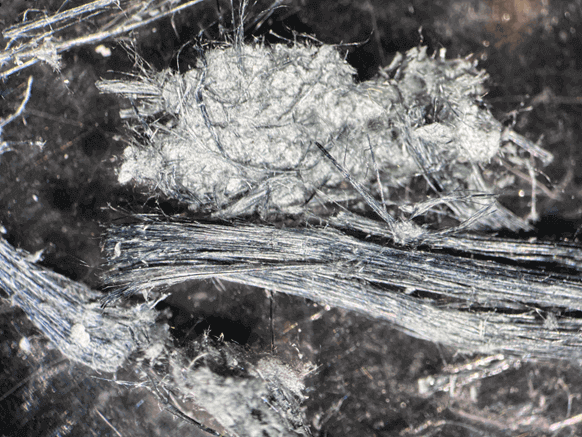
    The image above is a non-AI close-up of an asbestos sample containing crocidolite, one of several familiar types of asbestos. If it seems like it resembles barbed wire, that’s exactly how asbestos harms the human body. These fibres can lodge themselves into the tissues and tear them to the point of later manifesting into cancer.

    But another thing that makes this image remarkable is that it proves how far we’ve come in our campaign against asbestos. We didn’t know better about the material being a serious health risk decades ago, and even if we did, we lacked the technology to detect it. Even if the tools used date back over a century, the idea of asbestos testing only came much later.

    Now that we have the means, it’s only reasonable to make the most out of them and save more lives in the process. Control measures are essential to prevent the spread of asbestos fibres. However, accreditation is crucial to ensure that asbestos testing laboratories meet specific standards. Here are different methods of asbestos testing in Sydney as per AS 4964, an Australian Standard that all National Association of Testing Authorities (NATA)-accredited labs comply with. These techniques are crucial for the analysis and evaluation of asbestos, which is essential for better and risk management and remediation.

    Polarised Light Microscopy (PLM) with Dispersion Staining

    Ask any asbestos removal professional about the most common method, and most will say PLM. You won’t find an asbestos testing lab that doesn’t perform PLM with dispersion staining, not only because AS 4964 mandates it, but it’s also practically the gold standard of asbestos testing worldwide.

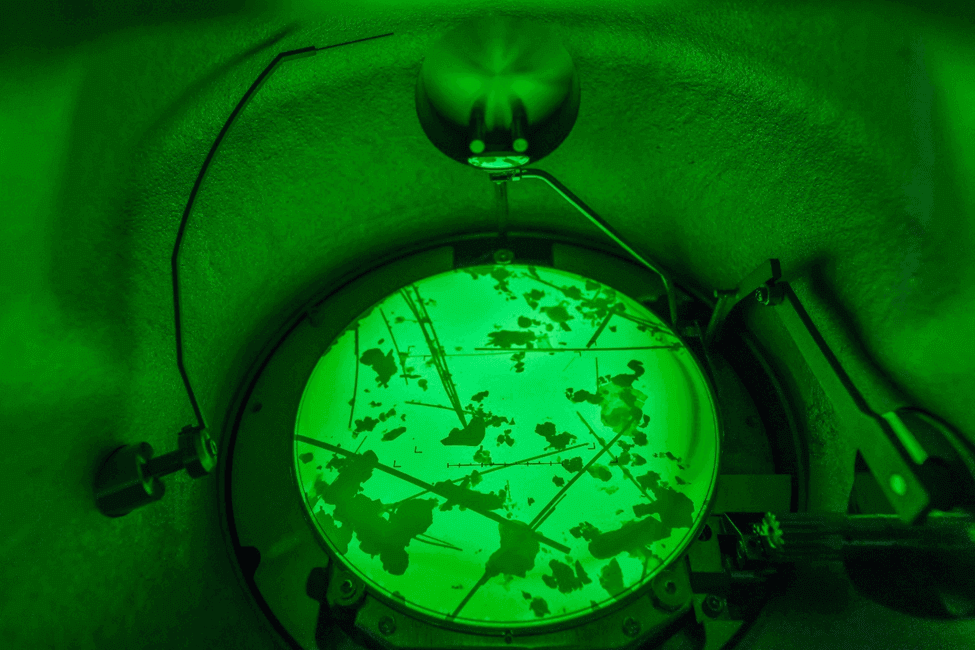
    Sampling of materials is a critical step in asbestos testing. This method attempts to utilise asbestos fibre’s ability to alternate between light and dark shades while being rotated, a property called birefringence. However, shining regular light on the asbestos sample won’t be effective, as it tends to split and move at different speeds when passing through a birefringent material like asbestos.

    PLM solves this by making the light pass through a polariser before shining on the sample. Another polariser closer to the viewer recombines the split light waves to create a clearer picture of the sample.

    The second half of this method, dispersion staining, helps identify the type of asbestos by analysing its wavelength. Some types are identifiable by their colour, such as chrysotile’s white and crocidolite’s blue. Dispersion staining confirms their colour further.

    Because of this, PLM with dispersion staining is widely used for identifying what we call the Big Three of asbestos: amosite, chrysotile and crocidolite. It also produces results quickly, around 15 to 60 minutes, and its widespread use makes it inexpensive. However, one huge downside is that it struggles to identify types of asbestos outside of the Big Three.

    Under AS 4964, NATA-accredited labs should report them as “mineral fibres of unknown type.” They’re also advised to identify them with another testing method, which is where the next one comes in.

    Scanning Electron Microscopy with Energy Dispersive X-ray (SEM-EDX)

    Whereas amosite, chrysotile, and crocidolite asbestos can be discerned by their colour, actinolite, anthophyllite and tremolite asbestos can’t. Not because they don’t come in certain colours, but rather because they share some colours. For example, anthophyllite can also appear brown just like amosite.

    This is one reason asbestos testing takes time, as labs want to be certain of the asbestos they’re testing. In this case, instead of light, asbestos testing will involve bombarding the sample with electrons and X-rays. This is known as SEM-EDX.

    The science behind SEM-EDX is complicated, and we’ll be here for ages trying to put it in layman’s terms. All you need to know, at least for now, is that the sample’s exposure to electrons and X-rays generates valuable data, from its topography to chemical makeup. This method also works on the Big Three asbestos.

    As of this writing, NATA has yet to formalise SEM-EDX as an accredited asbestos testing method. For all its benefits such as the ability to discern types of asbestos that PLM can’t, the cost of the necessary equipment is prohibitive. Additionally, unlike PLM, NATA has yet to develop a standardised methodology for SEM-EDX.

    That isn’t to say that accredited labs that solely use this procedure don’t exist. In 2019, NATA accredited a lab in Western Australia that primarily employs SEM-EDX, which the latter claimed as being the first of its kind in the country. Also, as the procedure is also widely used in other areas of materials science, it can be trusted to deliver.

    Other Methods

    As we’ve established so far, PLM with dispersion staining is the standardised method for asbestos testing and SEM-EDX is often only used when the former doesn’t yield results. That said, other asbestos testing methods exist but are typically more limited than the two in terms of capability and application.

    One is transmission electron microscopy (TEM), which uses a high-powered microscope that harnesses electrons instead of natural light, similar to SEM. The difference is that the electrons in this approach pass through the sample, unlike SEM maps the image by finding knocked-off electrons.

    TEM produces higher-resolution images than SEM but comes at a high cost. Considering testing costs are passed to clients, SEM has the advantage and, thus, is more preferred. Property owners are more likely to be discouraged with a hefty enough price tag on testing.

    Another method is phase contrast microscopy (PEM), which produces quality visuals of colourless samples without the need for dispersion staining. While this reduces testing costs, its images are far less accurate than the other asbestos testing methods discussed so far.

  • Understanding Rules for Asbestos Removal

    Understanding Rules for Asbestos Removal

    It’s estimated that around a third of homes across Australia still contain some form of asbestos (referred to asbestos-containing material or ACM). Unlike other  onstruction materials, there are consequences for dismantling ACMs without the proper tools and asbestos removal techniques.

    Every project an asbestos removal Sydney expert undertakes always has people’s well-being at stake. On one hand, there’s a pressing need to get rid of every trace of asbestos from a property before it can make someone ill. On the other hand, the removal process must not risk disturbing it enough to contaminate the immediate  area.

    Because of this, professional asbestos removers such as ours swear by a strict set of rules for removing asbestos. As customers, you can also adhere to said rules by enlisting the aid of said professional for such a dangerous task.

    Stick to the Removal Licence

    State law mandates that a licenced asbestos removalist must be called in to remove over 10 m 2 total of ACMs and asbestos-containing dust (ACD) generated in the  rocess.There are two classes of asbestos removal licences recognised by SafeWork Australia: Class A and Class B.

    Class A Licence
    Removers holding this licence are allowed to remove over 10 m 2 total of friable and non-friable asbestos.Friable asbestos can break down under minimum force (e.g., crushing with your hands). Due to friable asbestos posing a greater risk, Class A-licenced removers are extremely meticulous about the removal process, employing more equipment to ensure no friable asbestos fibres escape the area.
    Class B Licence
    Removers holding this licence are only permitted to handle over 10 m 2 total of non-friable asbestos. Unlike its friable counterpart, non-friable asbestos needs more force to be broken down,particularly with tools. This is because the asbestos is mixed in with other building materials, like cement. Despite a lower risk of releasing fibres, non-friable asbestos still requires utmost care in its disposal.

    State law also permits DIY asbestos removal work for projects involving up to 10 m 2 total of non-friable asbestos. While it may save costs, we don’t advise removing asbestos by yourself unless you know what you’re doing. It doesn’t take a lot of asbestos fibres to make you ill.

    Sydney Asbestos holds a Class B asbestos removal licence, meaning it can only deal with projects involving non-friable asbestos. If you need friable asbestos  containment and removal, we’re more than happy to refer you to a Class A asbestos removalist.

    Isolate the Work Area

    The asbestos removal team will do everything they can to limit the risk of disturbing the ACMs and keep ACD generation to a minimum. However, unexpected  things can occur,and it’s better to be safe than sorry. As such, they tend to isolate the work area from the rest of the property or neighbourhood as insurance.

    The most common method for isolating ACMs includes enclosing the area in multi-layered plastic sheeting, non-asbestos barriers, and other measures. Sometimes, especially if dismantling proves to be too risky, removers can prefer applying a layer of sealing agent over the ACMs to prevent asbestos fibres from being released due to slow wear and tear.


    The team can also place signs outside the work area to inform people that it’s undergoing licensed asbestos removal work. It can also ask neighbours to keep their windows facing the work area shut for the duration of the removal to stop ACD from entering their properties.

    Fully Suit Up

    You’ll always see removers in full personal protective equipment (PPE), regardless of the type of asbestos to work on. As per SafeWork Australia, their PPE gear can include:

    • Single-use coverall
    • Disposable gloves
    • Safety footwear
    • Respiratory equipment
    • Air-line respirators (for friable asbestos removal)

    If there’s one rule removers strictly abide by the most, it’s that they fully suit up before entering the work area. They always assume that asbestos fibres are in the air, even if there’s no evidence of the ACM being disturbed. The moment they enter the work area,their PPE is considered asbestos waste (except for the last two items).

    In rare exceptions, PPE can be reused when cleaned using special laundering methods.However, not only does washing risk exposure to fibres, but the fibres  themselves can be difficult to wash off, even with said methods.

    Never Leave Until the Job is Done

    As much as possible, removers stay within the work area until the removal is done for the day. This is to avoid inadvertently carrying fibres outside the work area when they step out. Then again, it’s for this purpose that they set up a decontamination chamber.

    The last step of any asbestos removal job is collecting and storing asbestos waste to prep it for disposal. After all, leaving some traces of the asbestos materials defeats the purpose of getting rid of them in the first place. Here are some things that occur in this step.

    • Gathering drop sheets filled with ACD and ACM debris
    • Double bagging removed ACMs in thick disposal bags
    • Wiping ACD off exposed surfaces (and disposing of the cleaning rags used)
    • Decontaminating reusable tools such as respiratory equipment
    • Disposing of the used PPE in separate disposal bags
    • Cleaning asbestos waste bags off asbestos (and disposing of the rags used)

    The final destination of these bags is a landfill accredited to handle asbestos waste.These facilities are located some distance away from communities, reducing the risk of the fibres finding their way to an unsuspecting person or household. Leaving the bags on the curb or recycling the waste for building projects is prohibited under state law.

    Removers see them doing all these steps for weeks or months, depending on the scale of the removal work. Nevertheless, it’s their responsibility to make sure no trace of asbestos is left for the benefit of the household and the neighbourhood as a whole.

    Conclusion

    Handling asbestos is no joke. Their effects on people’s health leave little to zero room for error when dismantling and disposing of ACMs and ACD. These rules and guidelines exist for the safety of everyone involved – asbestos removers, their customers, and the general public – and they shouldn’t be taken lightly.

  • Risks of Not Removing Asbestos

    Risks of Not Removing Asbestos

    Early this year, a child bringing mulch home from a playground in Sydney made national headlines. It set off alarms after the child’s mother told reporters she saw what looked like chunks of asbestos in the mulch. Subsequent investigations by authorities found traces of this cancerous material in mulch from dozens of other sites across the city.

    Later, medical experts came out saying that the bonded asbestos found in the mulch was too small to pose a serious threat to anyone’s health. While reiterating that no amount of asbestos should be in the body, this particular asbestos is locked in a resin encapsulation that prevents it from releasing its fibres unless damaged or disturbed in any way.

    That said, Australian homes built before the 1990s contain far more than bits and pieces of asbestos-containing materials (ACMs) like floor tiles or insulation materials that contain asbestos. Whether by disturbance or the passage of time, households can be risking their health and safety by not getting rid of ACMs with haste. Here’s a close look into what asbestos removal Sydney experts have to say about this.

    How Asbestos Harms the Body

    The negative health effects of asbestos aren’t a recent discovery. We’ve known this way back at the turn of the 20th century when a worker in the U.K. who worked with asbestos fibres died due to long-term scarring of the lungs.

    Respiratory tissues are some of the most delicate tissues in the human body, meaning it doesn’t take much force to inflict serious damage on them. With an average size ranging from 0.1 to 10 microns (1/1,000ths of a millimetre), asbestos dust and fibres can enter the body via inhaling and lodge themselves in the lungs, leading to serious respiratory problems.

    This often leads to a disease known as asbestosis or scarring of lung tissues. Given enough time, the fibres from asbestos products can also alter the tissues’ genetic structure, resulting in cancerous growths that doctors refer to as mesothelioma. Symptoms include the following:

    • Shortness of breath
    • Pain in the chest and surrounding areas
    • Loss of appetite, resulting in weight loss
    • Incessant coughing
    • Excessive sweating in the evening

    Furthermore, mesothelioma can spread aggressively. If it does, medical experts say it has likely reached stage four and has begun metastasis, typically toward the bones,liver and kidneys. As such, symptoms associated with other types of cancer can manifest, such as pain in urinating and jaundice or yellowing.

    Due to it depending on asbestos so much for a long time, the Australia-New Zealand region has consistently ranked in the top five regions for mesothelioma incidence rates,with 1.3 cases per 100,000 people recorded in 2020. Australia alone accounts for between 700 and 800 mesothelioma cases annually, with over 700 deaths recorded in 2021.

    The good news is that medical researchers have recently made a breakthrough in creating a drug for treating mesothelioma. However, until that drug hits the shelves (which can take several more years), asbestosis and mesothelioma remain incurable.Your best bet is still steering clear of asbestos or, if your house is built on it, get rid of it immediately.

    Do Not Disturb

    As dangerous as they are, asbestos can’t put lives at risk unless enough force to release its fibres is applied. According to the Mesothelioma Center, the fibres can remain airborne for 48 to 72 hours before settling to the ground. However, even if these airborne contaminants settle, they don’t stay on the ground for long, as just walking over them is enough to get them back in the air.

    Our asbestos safety removal team often encounters cases where conducting home renovation work without prior asbestos testing or risk assessment leads to airborne asbestos fibres. Experts can’t stress enough how crucial it is to test properties built before the 1990s for asbestos before doing any demolition work, repairs or renovations of any scale.

    Even if you don’t do anything to the ACMs, the elements will wear them down and release their fibres all the same. Non-friable asbestos will take a longer time as the hazardous materials are integrated into more durable building materials, but the same can’t be said for friable asbestos.

    Overall, there’s no guarantee that the asbestos cement products and insulation  materials in residential premises will remain inert throughout your lifetime. Some fibres may already be airborne asbestos by the time you decide to get rid of it. In that case, it’s imperative that you act immediately to keep the damage to a minimum and mitigate the risk of what comes next.

    Secondary Exposure

    If, by some miracle, a person manages to stay healthy despite exposure to asbestos,they can still be a health risk to other people. Asbestos fibres can latch onto various surfaces, such as clothing, allowing these health hazards to be transported wherever the host goes.

    When the fibres get in range of another unsuspecting individual, simple movements on the host’s part can release them and enter that person’s body. Other hosts include furniture or any other surface that may contain asbestos. This is referred to as secondary asbestos exposure, and it can be every bit as deadly to the general public as direct or occupational asbestos exposure.

    Research has shown that secondary exposure to these hazardous materials will remain a cause of concern for several generations due to how much asbestos materials Australia has used over a century. Asbestos fibres are invisible to the naked eye and have no smell or taste, adding to the danger. Long story short, asbestos isn’t something to be left to chance.

    This is something asbestos professional removal services like us strive to prevent, given what their work entails. Anything we wear when dismantling ACMs becomes asbestos waste as soon as we step into the work area or contaminated sites and, therefore, must be disposed of after our licenced asbestos removal work. The only exception is our personal protective equipment, but even that requires special decontamination procedures as part of occupational safety regulations.

    Conclusion

    Asbestos has no place in today’s buildings or residential premises. It may have been a great material for the time it was widely used, but now we know better that it’s slowly claiming lives. We’re left dealing with the effects of asbestos long-term exposure, especially lung cancer and mesothelioma, long after the complete ban at the end of 2003.

    As long as vestiges of asbestos persist, communities can never be truly free from the risk of serious illness and respiratory problems. As such, consider getting ACMs removed by an asbestos removalist as early as now before the signs of asbestosis rear their heads.


  • Areas You Can Find Asbestos in Industrial & Commercial Properties

    Areas You Can Find Asbestos in Industrial & Commercial Properties

    Asbestos was once a star player in Australia’s construction and industrial scenes thanks to its durability and resistance to heat. In the 1950s and 60s, Australia was riding high on a construction boom. Asbestos, known for its fireproof qualities (among others), became a go-to material. The asbestos material was everywhere – from roofing sheets to insulation.

    Fast forward to the 1980s, and the tide began to turn. The health risks of asbestos containing material became impossible to ignore. Australia started imposing restrictions, leading to a complete ban on asbestos sheeting and in all its forms by 2003.

    However, buildings constructed before the 90s often hold hidden asbestos-containing materials. In fact, about one-third of houses in Australia are estimated to contain asbestos. Asbestos is a serious health menace that can cause asbestosis and mesothelioma of the lungs, so finding and getting rid of it is vital, and not just for health reasons. The various regulations regarding asbestos waste make their removal a legal obligation, too.

    Common asbestos-containing materials (ACMs) in industrial properties

    Asbestos was like the Swiss Army knife of building materials in industrial settings. And it’s easy to see why—the mineral is versatile and used in many places.

    Some common spots where you might find asbestos materials:

    • Insulations: Asbestos was a big hit for insulation. It’s in walls, roofs, and around pipes. Think of it as a thermal blanket, keeping heat in or out, but with a risky twist.
    • Fireproofing: In areas where heat was a concern, asbestos was the go-to for fireproofing. It’s often in structural components like beams and columns, standing guard against fire, albeit with a hidden danger.
    • Cement sheets: Those sturdy cement sheets that were all the rage for construction? You guessed right – many had asbestos. Asbestos cement was strong, durable, and, unfortunately, hazardous.
    • Machinery: Asbestos wasn’t just about buildings. It snuck into machinery, too. The mineral is also found in gaskets and linings, helping to manage heat and wear in heavy-duty equipment.

    If you’re dealing with older industrial properties, these are the usual suspects to watch out for, especially during a demolition. It’s a bit like a detective game, figuring out asbestos cement and others, but it’s a crucial game as it allows one to perform asbestos disposal better.

    Of course, working with an asbestos removalist or an asbestos removal company would still be the best move. An asbestos removal company can help deal with the hazardous material as safely as possible.

    Asbestos in commercial properties

    Some of the most common spots where you can find hazardous asbestos in commercial properties are:

    • Under your feet: Check those vintage vinyl tiles and the carpet underlay in older buildings. They might have a layer of asbestos for company.
    • Above your head: Look up, and you might find asbestos in ceiling tiles and decorative plaster. It was used for its nifty ability to resist fire and add a bit of strength to these materials.
    • Overhead protection: The roofing materials, including shingles and felt, often contain asbestos. The mineral was commonly used as a roofing material because it was sturdy and weather resistant.
    • Sealing: Even the compounds used to glaze windows and seal joints might have asbestos. It was all about keeping the elements out, but at a cost, people are only now understanding fully.

    Older commercial spaces are likely to contain asbestos, and these are the spots to keep an eye on so that the material doesn’t get inhaled by anyone during their removal.

    Areas prone to asbestos in older buildings

    Some areas in older buildings are likely to contain asbestos. If you’re planning on doing renovations or a routine checkup, it’s vital to know the locations of these hotspots beforehand and work with an asbestos removalist or an asbestos removal company. Asbestos removal services perform inspections first before taking any other further actions to make the process as safe as possible.

    • Storage rooms and basements: Out-of-sight areas like these can harbour asbestos. Make sure to inspect them as they might have been overlooked in previous checks.
    • Boiler rooms and heating systems: Asbestos is commonly found in boiler rooms and around heating systems due to its heat-resistant properties.
    • Electrical rooms and switchboards: Its fire-resistant property also made asbestos ideal for use in electrical areas to reduce fire risks. Pay attention to these spaces, as their likelihood of having asbestos is high.
    • Older garages and sheds: These structures, sometimes forgotten, can also contain asbestos, particularly in roofing or wall materials. Checking these areas thoroughly can help identify any hidden asbestos.

    Keeping these areas in check is an important step in managing the safety of older buildings. Regular inspections by companies offering asbestos removal services can help identify and address any asbestos-related issues.

    Asbestos in renovation and demolition

    Renovating or demolishing older properties can be challenging because asbestos was a common construction material in the past. Knowing what’s involved can help improve the safety of everyone involved in the project.

    First, understanding the risks when you renovate or demolish a building that used asbetos. Renovating or demolishing can disturb asbestos, and results in harmful fibres being released into the air, affecting the lung. Asbestos fibres in the air, when inhaled, can result in asbestosis, a chronic lung disease.

    Then there’s the legal side. In Australia, there are strict laws for asbestos assessment since it’s harzardous material. So, before you start swinging hammers, ensure you’re up to speed with these regulations, which include doing proper inspections to avoid legal headaches.

    Here are some relevant regulations to keep in mind:

    • Work Health and Safety (WHS) regulations: Do you have a commercial property built before 2003? These regulations require that any commercial property built before that year must have an asbestos register. If asbestos fibres are present, an asbestos management plan is also required.
    • Asbestos removal licensing: In Australia, asbestos removal is done by licensed professionals An asbestos removal licence for removalists can be Class A (for all types of asbestos, including friable and non-friable) and Class B (for non-friable asbestos).
    • Notification requirements: For significant asbestos removal work, the relevant state or territory workplace health and safety body must be notified before the work begins.
    • Asbestos disposal regulations: Due to the dangers asbestos pose, disposing it anywhere is strictly prohibited. Asbestos waste must be disposed of at a licensed facility. It’s illegal to reuse, recycle, or illegally dump asbestos products.
    • Training requirements: Workers involved in asbestos removal have undergone complete specialised training. They hold appropriate qualifications to ensure safe handling and compliance with safety standards.
    • Air monitoring and health surveillance: For certain types of asbestos work, air monitoring and health surveillance of workers may be required to ensure that exposure levels are within safe limits.

    These laws are in place to protect workers, removalists, residents, and the general public from the dangers of asbestos, including lung cancer. And while compliance is a legal requirement, it’s also important to remember that these regulations help ensure health and safety.

    Keep in mind, too, that removing asbestos isn’t a DIY job. It requires professional handling and disposal. Ensuring you have the right team for the job is key to keeping everyone safe from cancer and other complications.

    When dealing with older buildings, managing what’s already there is a serious concern, not just building or tearing something down. Staying informed, being safe, and following regulations ensure a safer environment for everyone.

    Conclusion

    Due to the widespread use of asbestos materials in Australia in the past, older structures are likely to contain asbestos fibres. This blog identifies and enumerates the hotspots where asbestos is typically found in buildings and properties for their proper disposal during a building renovation or demolition.  Remember, the regulations are there to safeguard the health of everyone involved.

  • Common Mistakes to Avoid During Asbestos Roof Removal

    Common Mistakes to Avoid During Asbestos Roof Removal

    Looking back, it’s easy to see why asbestos was a common material used in construction, including roofing. The mineral is durable and it has a melting point of around 1,600 Fahrenheit (approximately 871 Celsius), making it fire-resistant.

    Thankfully, everyone now understands the serious health risks it poses. The mineral was banned in Australia in 2003, but until now, people still die at an estimated 4,000 a year from diseases like asbestosis and lung cancer.

    The focus now is towards proper removal practices. The risk from these toxic roofing materials is high; that’s why it’s crucial to handle them with care. Not only for the immediate protection of those involved in roof removal but also for the long-term health of anyone who comes into contact with it.

    Removing an asbestos roof is more than just a routine renovation. It’s a critical step in ensuring a safer, healthier environment. Asbestos removal, while essential, is swarmed with challenges and risks. If you need help with asbestos roof removal Sydney, there are reputable roof removal services to turn to. They handle the demolition and disposal safely while discarding the toxic material responsibly.

    Asbestos: The Hidden Hazard in Your Home

    Imagine having tiny, invisible fibres floating in the air, silently causing damage to your lungs. That’s what asbestos containing materials do. The material once widely used in buildings, roofs, and even appliances is now a health hazard. Here’s what you need to know about this hidden hazard:

    Asbestos was popular until the 1970s for its fire-resistant qualities. This means it could be in:

    • Older homes: Insulation, walls, ceilings, flooring, and even glue or putty.
    • Roofing components: Especially corrugated roofing sheets and flat roof coatings.
    • Other materials: Pipes, boilers, electrical ducts, and even some furniture.

    The dangers of asbestos exposure:

    If you inhale asbestos fibres, they can lodge deep in your lungs, causing serious health problems:

    • Asbestosis: Scarring and inflammation in your lungs, making breathing difficult.
    • Lung cancer: Increased risk of this deadly disease, even decades after exposure.
    • Other cancers: Mesothelioma, throat, and bowel cancers can also be linked to this toxic substance.

    With awareness and proactive action, you can keep your home and loved ones safe from its hidden dangers. If you suspect there’s asbestos in your home, it’s best to get in touch with professional roof removal services.

    Legal and safety regulations in Australia

    When it comes to asbestos roof removal in Australia, each state and territory has its own twist on the rules, but they all dance to the same tune set by Safe Work Australia. Let’s unpack what you need to know:

    1. General Duties:

    • Work Health and Safety Acts: No matter where you are in Australia, there’s a Work Health and Safety (WHS) Act. It’s the rule book that says if you’re running a business or a project (like a homeowner or contractor), you’re the one responsible for your workers.
    • Duty of Care: If you’re in charge of the roof removal, it’s your job to spot any risks, size them up, and make sure they’re handled so no one gets hurt.

    2. Asbestos-Specific Regulations:

    • Model Code of Practice: This is your how-to guide for dealing with asbestos at work, covering everything from removing it to tossing it out safely.
    • Licensing: Whether you’re a solo act or a big company, you need a license if you offer roof removal services. The kind of license depends on how much and what type of material you’re dealing with.
    • Notification Requirements: In some places, you need to give a heads-up to the authorities before you start your demolition and roof replacement work.
    • Permits: If you plan to bring down a building with asbestos, you might need a special permit for the demolition and replacement of roofs.

    3. Specific Precautions:

    • Identification and Assessment: Before you start, get a pro to check out the place for any asbestos-containing materials.
    • Work Plans: You’ll need a plan that lays out how you’ll remove the asbestos, keep it contained, and dispose of the toxic components.
    • Containment: It’s all about keeping those asbestos fibres from taking a tour of the neighbourhood. Sealed work areas and special ventilation should do it.
    • Personal Protective Equipment (PPE): Suit up! Protective gear, especially for breathing, is a must to keep those nasty fibres out.
    • Waste Disposal: Asbestos waste has its own set of rules for disposal to keep the environment safe.
    • Decontamination: Once the job’s done, clean up the area and gear thoroughly.
    • Monitoring: Sometimes, you might need to check the air after the job to make sure it’s clean and free from damage.

    Remember, these are just the broad strokes. For the nitty-gritty, check with your local Work Health and Safety authority to make sure you’re ticking all the right boxes for proper demolition and disposal of hazardous components.

    Common mistakes to avoid

    It’s easy to slip up if you’re not careful when it comes to asbestos roof disposal. Below are some of the most common mistakes and how to steer clear of them:

    Mistake #1: Not hiring a licensed professional

    Licensed roofing removal services have the training, the know-how, and the right tools to get the job done safely. If you’ve got more than ten square meters of asbestos to remove, you need a licensed professional to do the job. It’s a hard and fast rule.

    Only those with a Friable Asbestos Removal license can tackle the tricky stuff, like friable asbestos, which crumbles easily and is extra risky. These pros know their stuff and have the right tools for the job.

    Before any licensed removal work begins, there’s some paperwork to take care of. The removalists must notify the proper authorities at least seven days before starting. Plus, they need a special permit to work with friable asbestos. It’s all about keeping things above board and safe.

    When dealing with asbestos, always go by the book. It keeps everyone protected and makes sure the job’s done right.

    Mistake #2: Inadequate Safety Gear

    Having the right safety gear is non-negotiable when it comes to asbestos inspection and roof removal. It’s the remover’s armour against the invisible threat of toxic dust and fibres. They use a high-quality respirator — not just any mask, but one specifically designed to filter out tiny dust particles.

    Then there’s the disposable overall. These aren’t your average coveralls. They’re designed to keep fibres off clothes and skin. Don’t forget the gloves and goggles, too. They’re essential for keeping hands and eyes protected from asbestos exposure.

    Mistake #3: Poor planning and preparation

    Planning should include identifying where the asbestos is, how much there is, and the type you’re dealing with.

    First, the area needs to be sealed off. Think of it as putting up a ‘Do Not Disturb’ sign to keep those asbestos fibres contained. Next, gear up with the right protective equipment – respirators, overalls, gloves, etc. .

    Then, the asbestos is carefully removed, following all protocols to a T. After removal, it’s all about clean-up and disposal. This means getting rid of the hazardous material in a way that follows local regulations and making sure the area is spotless and safe.

    Mistake #4: Improper disposal of asbestos materials

    Correctly disposing of asbestos material is a key part of the elimination process. More than just ticking off the checklist, proper disposal means keeping communities and the environment safe. Each state and territory in Australia has specific rules for asbestos disposal. Generally, these are taken to a designated facility that can handle hazardous asbestos materials.

    At the heart of these regulations are environmental concerns. Keep in mind that it is harmful to humans and the environment. If not disposed of correctly, it can contaminate soil and water, creating long-term environmental issues.

    Mistake #5: Neglecting air quality and containment

    Containment means keeping asbestos fibres from spreading. This means sealing off the area where the work is being done. Plastic sheeting and duct tape are used to create a tight seal around the work area. It’s also smart to use wet methods when handling asbestos. Keeping the materials damp helps prevent fibres from becoming airborne.

    It’s also important to monitor air quality. A special equipment to check for asbestos fibres in the air is used, called the bioaerosol sampling pump. This is important both during and after the roof removal process. It ensures that the air is clean and that the disposal has been successful.

    Sydney Asbestos: Keeping you safe

    Disturbing asbestos can make things worse. Instead, you should:

    • Follow protective measures. Stay out of areas where asbestos may be disturbed and avoid contact with dust.
    • Don’t try to remove it yourself. It’s crucial to hire certified asbestos removal services in Sydney.
    • Get an asbestos inspection. A professional will check your home for hazardous asbestos materials and assess the risk.

    Conclusion

    Avoiding the common mistakes listed here can keep everyone away from harm. Cutting corners or going DIY can lead to health risks, legal troubles, and environmental harm.

    So, always put health and safety first, stick to the legal guidelines, and don’t hesitate to call in the professionals. They’re the best option for asbestos roofing materials removal, equipped with the right tools and know-how to get the job done safely and efficiently.

    If you need help with asbestos in your roofs, there are reputable roof removal services like Sydney Asbestos to turn to. We safely remove and dispose of hazardous material responsibly, protecting you and your family. Call us today!

  • Common Signs Of Asbestos In Older Homes

    Common Signs Of Asbestos In Older Homes

    Three decades ago, asbestos was a popular construction material because of its cost-effectiveness and unique physical properties. In fact, Australia had one of the highest asbestos usage rates in the world up until the 1980s.

    In 2003, asbestos was banned due to its associated health and environmental risks. But up until now, there are still buildings that have asbestos-containing materials (ACMs). It’s estimated that a third of Australian homes built before the 1980s contain this mineral fibre.

    Detecting the presence of asbestos can be tricky. It’s not visible to the naked eye because it’s composed of microscopic fibres. However, materials containing this substance, such as insulation, may have recognisable signs.

    Let’s have a look at the tell-tale signs of asbestos in older homes and how you can address this potential risk.

    1. Construction period A house’s construction date is one of the easiest ways to tell if asbestos is present. Buildings erected before the mid-1980s are more likely to contain this substance. However, you still need further tests done by licensed professionals to confirm this, as some houses constructed during that period may be asbestos-free.
    2. Grey insulation material Another way of identifying asbestos is through visual analysis. If you come across what appears to be grey or white fluffy material, it could be the mineral fibres of asbestos.It was widely used as insulation material in older homes, especially in attics and walls. Pipes were also commonly wrapped in the white or grey insulation material. If you notice pipes with such an appearance in your home or similar-looking insulation in your walls, it’s crucial to exercise caution and seek a professional asbestos inspection service.
    3. Vinyl floor tiles Vinyl floor tiles with a black or dark-coloured adhesive maybe another good visual indicator. Like the features mentioned above, these tiles were common place in the mid-20th century.It’s also worth noting that the tiles aren’t the only source of concern. The adhesive used to install them may also contain asbestos.
    4. Roofing made of cement-like material
      Roofing or siding shingles that resemble cement are also a possible sign of asbestos presence. This material was preferred in roofing construction due to its durability and fire-resistant properties. If your roof matches this description, it would be wise to consult an expert.
    5. Popcorn ceilings with a bumpy textured appearanceMany houses built between the 1970s and 1980s featured popcorn ceilings, also called textured ceilings. This textured finish was applied to ceilings for various reasons, including sound absorption, camouflage of imperfections, and its ability to hide dirt and stains. Unfortunately, asbestos fibres were added to the ceiling texture mix to enhance its fire resistance and durability. So, if your property’s ceiling has this texture, it would be best to take immediate action.

    What should you do if you find signs of asbestos?

    If you suspect that your home or building contains asbestos, it’s important to take precautions when handling the situation. Here are some steps you can take:

    • Avoid disturbing the materialIf you identify asbestos-containing materials in your home, don’t tamper with them, especially if they’re still intact. Asbestos fibres are very small and can become airborne when disturbed. Inhaling them can lead to serious health problems, including lung cancer, mesothelioma, and asbestosis.
    • Limit access to the area
      Danger Asbestos
      Restricting access to the suspected area can help reduce the risk of accidentally disturbing the material. It’ll also minimise the spread of asbestos fibres.

      You can do this by sealing off the area with physical barriers, such as plastic tape. Placing warning signs or labels can also help prevent people from being exposed to asbestos. If you must access the room, make sure you wear protective gear, including a mask.

    • Contact a licensed asbestos professionalAsbestos professionals have the necessary training, equipment, and experience to safely identify and handle asbestos-containing materials. The inspection process typically involves collecting samples of suspected materials for laboratory analysis. If the results show that the material contains asbestos, the professional will work with you to determine the best course of action, which may include removal or encapsulation.Always seek assistance from experts licensed by the area in which they operate. You can check with your local government or environmental agency to ensure that the professional you choose is certified.

    Conclusion

    Recognising the common signs of asbestos in older homes is crucial for safeguarding the well-being of the occupants. From vinyl floor tiles to textured popcorn ceilings, these indicators serve as reminders of a time when asbestos was widely used in construction materials. It’s imperative to observe vigilance and responsible management when dealing with older buildings.

    Whether through professional inspections, safe removal, or encapsulation techniques, addressing asbestos-related concerns protects the health and safety of those involved.

  • Comparing Bulk And Air Asbestos Testing Methods

    Comparing Bulk And Air Asbestos Testing Methods

    Asbestos has been prohibited under Australian law since December 2003. Before this change, this substance was commonly used in various vehicles and construction materials. Therefore, many homes built or renovated in the late 20th century are likely to contain traces of it.

    The 2003 ban was brought about because of the health risks associated with asbestos-containing materials (ACMs), such as asbestosis and lung cancer. Because of its harmful effects, it’s important to remove and dispose of any ACMs around your home for your well-being.

    However, it can be difficult to tell if asbestos is present on your property. ACMs are not always distinguishable from other materials, so they’re difficult to spot with the naked eye. Additionally, doing a DIY inspection is greatly discouraged, as you might accidentally disturb the microscopic asbestos fibres and risk inhaling them.

    That’s where relevant testing methods come into play. Asbestos testing is the most accurate and reliable way to determine the presence of asbestos on your property. In this article, we’ll explore two common asbestos testing methods: bulk asbestos testing and air asbestos testing.

    Asbestos testing methods

    Asbestos Testing Methods

    There are several ways to conduct asbestos testing, but as mentioned, we’ll discuss two of the most common techniques of asbestos testing in Australia – air testing and bulk testing. They’re each named after their specific mode of sampling. Let’s delve into their definitions and explore the unique applications of each approach:

    1. Bulk asbestos testing: Also known as bulk sampling, this testing method involves collecting physical samples of suspected materials. They might include insulation, flooring, roofing, or other construction components. These samples are carefully collected and then analysed for asbestos presence and concentration in a laboratory setting
    2. Air asbestos testing: Here, the focus is on detecting asbestos fibres present in the air. Asbestos fibres can become airborne if materials containing asbestos are disturbed or damaged. This method involves using air sampling pumps to collect air samples from various locations within a building. These samples are then analysed in a laboratory to measure the concentration of airborne asbestos fibres.

    Bulk asbestos testing and air asbestos testing are both crucial tools in managing asbestos hazards, ensuring the safety of occupants, workers, and the environment. These methods provide valuable information for informed decision-making regarding asbestos-containing materials and potential exposure risks.

    Key differences

    Although they’re equally effective, it’s important to choose the method that fits your project. You need to be aware of their differences to make informed decisions for effective asbestos detection and management.

    Let’s discuss some of the factors that distinguish bulk from air asbestos testing.

    • Sample typeSample type is one of the main differences between bulk and air asbestos testing. In bulk asbestos testing, a physical sample of a material suspected of having asbestos is analysed. This sample can be obtained through various methods, such as drilling, cutting, or scraping the surface of the material.On the other hand, air asbestos testing involves collecting air samples from a specific area where asbestos fibres may be present. It’s done using specialised equipment that captures airborne particles onto a filter or cassette. The samples are then sent to a laboratory for analysis.
    • AnalysisAlthough the general process is similar for both methods, the preparation stage is what differentiates the two. In bulk asbestos testing, the physical sample is crushed, ground, or otherwise treated to release the fibres. Air sampling doesn’t follow this step; instead, the sample is prepared by removing any interfering particles before the analysis process commences.Although the general process is similar for both methods, the preparation stage is what differentiates the two. In bulk asbestos testing, the physical sample is crushed, ground, or otherwise treated to release the fibres. Air sampling doesn’t follow this step; instead, the sample is prepared by removing any interfering particles before the analysis process commences.
    • PurposeWhile both types of testing are important for managing the risks associated with asbestos exposure, they serve different purposes. Bulk asbestos testing is used to determine whether a material contains asbestos and to what extent.This information is crucial for ensuring the safety of workers and occupants of buildings where ACMs may be present. For example, if a building is being renovated or demolished, bulk asbestos testing may be conducted to identify any ACMs and to ensure that they’re safely removed.

      On the other hand, air asbestos testing helps determine the levels of airborne asbestos in a specific area. This data allows experts to assess the risk of exposure to asbestos and implement appropriate control measures to minimise the risk.


      For example, air asbestos testing may be conducted in a workplace where workers are at risk of exposure to airborne asbestos fibres. The results of the test can help identify areas where exposure is occurring.

    Conclusion

    Asbestos testing is vital in Australia, especially for older properties. The right method to use depends on the situation and the specific materials involved. Prioritise your safety and the well-being of those around you by conducting thorough asbestos testing and taking appropriate actions based on the results. Be sure to work with experts for the job, as it ensures safety and more accurate results.