Holiday Clean‑Ups: How To Legally Dispose Of Asbestos In NSW (Without Fines Or Risk)
Pre‑Christmas clean‑outs and summer shed projects are great until you hit old fibro, a cracked garage roof, or mystery wall sheeting that looks like asbestos. If your home was built before 1990, there is a fair chance some materials contain asbestos. This guide gives you practical, compliant steps to dispose of asbestos in NSW safely, without fines or unnecessary risk, and helps you decide when to book testing, when to call a Class A partner for friable materials, and when a licensed Class B removalist can legally manage a small bonded job.
What counts as bonded asbestos, and why you must not break sheets
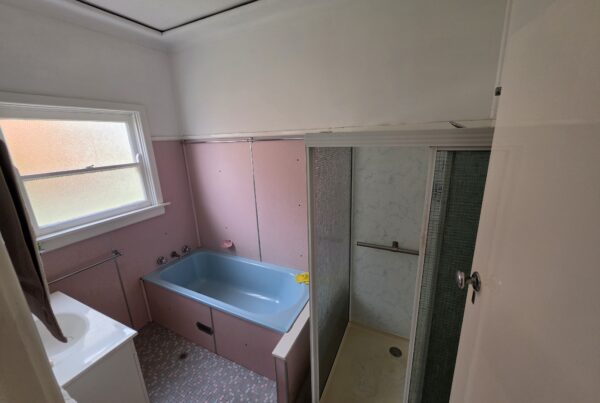
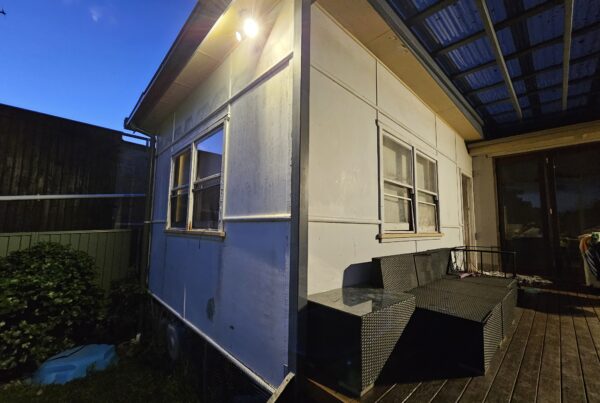
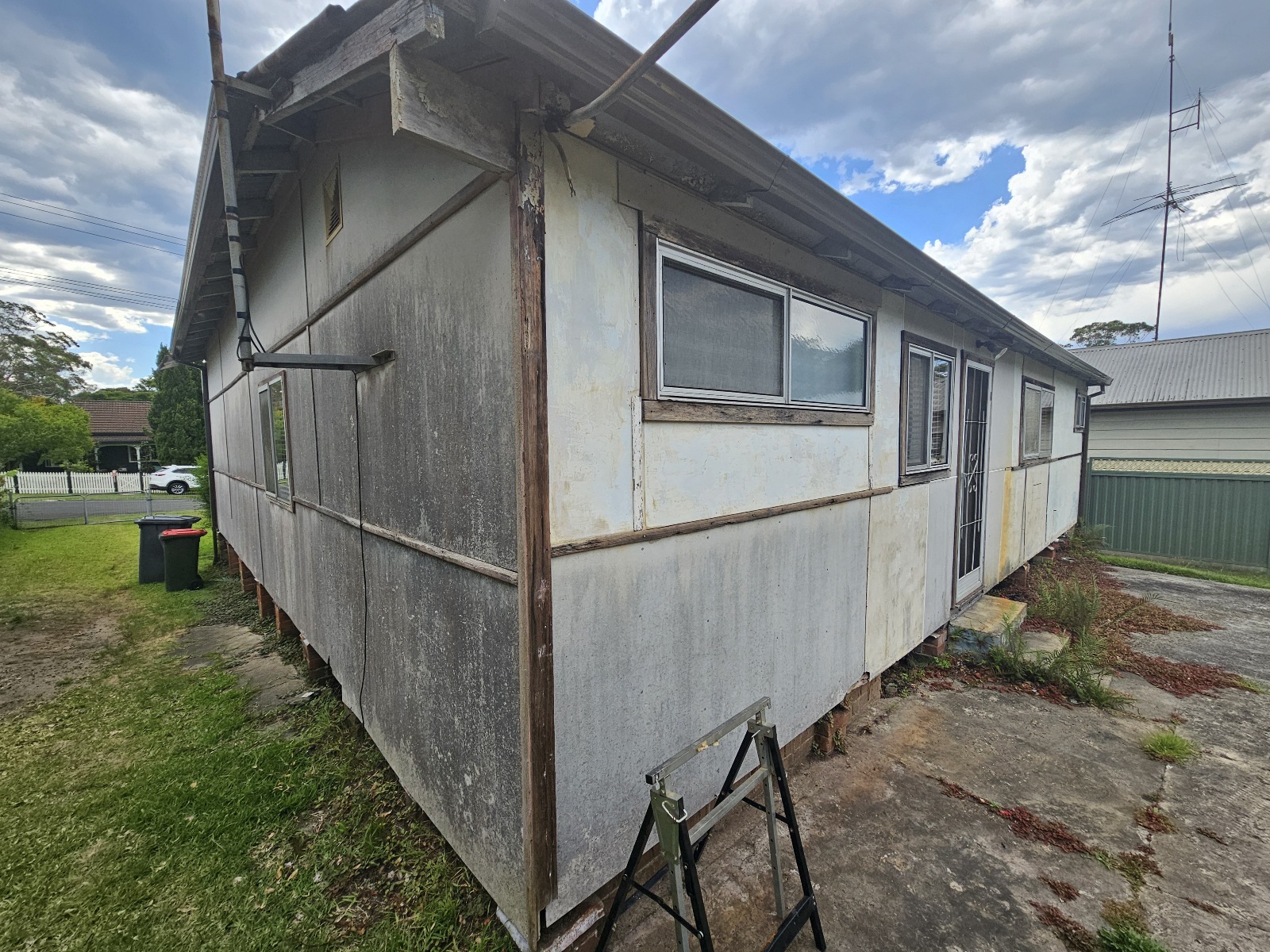
Most asbestos in NSW homes is bonded or non‑friable. Think fibre‑cement wall and eave sheets, corrugated Super Six garage roofs, vinyl tiles and old bathroom underlay. Fibres are locked into a cement or resin matrix.
The risk escalates when sheets are cut, drilled, or broken, because damaged edges and dust can release fibres. Never snap sheets to fit into bags. Never sand or grind paint or adhesives. Keep materials intact, damp, and handled by licensed professionals with the correct PPE and containment.
Friable asbestos is different. It crumbles easily, includes pipe lagging, loose insulation and fire‑proofing, and must only be removed by a Class A licence holder. If the material looks soft, dusty, or deteriorated, treat it as friable until proven otherwise and do not disturb it.
The 10 m² DIY threshold in NSW, and why DIY is still a bad idea
NSW law allows unlicensed individuals to remove up to 10 m² of bonded asbestos. This is a legal upper limit, not a recommendation. DIY comes with serious exposure risks and strict rules for wrapping, labelling, transport and disposal. One mistake can contaminate your home or lead to heavy penalties. We strongly recommend you hire a licensed Class B removalist for any bonded asbestos, even below 10 m², and use a Class A contractor for any friable or suspect material.
Packaging, labelling and transport, the essentials for legal disposal
If you are organising legal disposal, NSW rules require that asbestos waste be:
- Wet down to reduce dust.
- Double‑wrapped in 200 micron thick plastic, sealed with tape, and labelled clearly as asbestos waste.
- Placed into labelled asbestos waste bags or wrapped bundles, kept intact and handled with care.
- Transported in a covered vehicle to a facility licensed to accept asbestos, with loads secured to prevent tearing or leakage.
Do not mix asbestos with general waste. Do not reuse bags. Keep the work area isolated. Wear appropriate PPE, including a P2 respirator, disposable coveralls, gloves and eye protection. Decontaminate or dispose of used PPE correctly.
Can you take asbestos to the local tip?
Only some waste facilities in NSW accept asbestos, and many require pre‑booking, limits on volume, fees per load or per kilogram, and strict packaging standards. Some councils offer booked drop‑off events or vouchers for residents, often with caps and rules around proof of residence and wrapping. Check your council website and the EPA facility list before you start. Turning up at the local tip with unwrapped or incorrectly packed sheets will result in refusal and possible reporting.
How Sydney Asbestos handles pickup, wrapping and legal disposal
Sydney Asbestos is a licensed Class B contractor focused on bonded asbestos. For small domestic loads through to full garage roofs, we provide:
- Compliance‑first collection and removal with site isolation, signage and wet methods where applicable.
- H‑Class HEPA vacuum cleaning and thorough clean‑down.
- Safe wrapping and sealing with compliant labelling.
- Transport to accredited asbestos landfill sites with legal disposal documentation.
If we identify friable asbestos, or if bonded materials are in a friable state, we coordinate a trusted Class A partner and manage the handover so you stay compliant without guesswork.
When to book inspection and testing before you touch anything
If you are unsure whether a material contains asbestos, book an inspection or testing before any removal or disposal. A visual inspection can flag likely asbestos and recommend lab sampling, which is the only way to confirm. Typical inspection pricing starts around $250 + GST and includes one lab sample, with additional samples charged per item. Results usually return within 24 to 48 hours, which still fits pre‑holiday timelines and prevents unsafe mistakes.
A simple decision tree for holiday clean‑ups
- Not sure what it is, or the material is damaged or dusty, book inspection/testing first. Pause the project until you have confirmation.
- Friable or likely friable (crumbly, soft, loose insulation, pipe lagging), call a Class A removalist. Ask us to connect you with a vetted partner.
- Bonded and under 10 m², legally you can remove it yourself, but we recommend you book licensed Class B removal to avoid exposure and penalties.
- Bonded and over 10 m², you must use a licensed removalist. Call us to schedule a compliant plan and disposal.
How to dispose of asbestos in NSW without risk or fines
- Identify materials with inspection and, if needed, lab testing.
- Engage the correct licence class, Class B for bonded, Class A for friable.
- Use compliant controls, wet methods, PPE, containment and HEPA cleaning.
- Wrap, label and transport to a licensed facility only, with documentation kept.
- Keep neighbours informed where appropriate, and restrict access during works.
Following these steps is the safest way to get rid of asbestos, and it aligns with SafeWork NSW and WHS Regulation 2017 requirements.
Costs, what to expect for disposal and removal
How much does it cost to dispose of asbestos? Landfill fees vary by site and weight or volume, and councils may charge differently for residents versus commercial. Typical small bonded jobs have a minimum charge to cover setup, containment, PPE, wrapping and disposal runs. Expect a minimum between roughly $650 and $1,100 for very small pickups, with larger projects priced per square metre based on material type, access, height, roof pitch, and distance to an accredited facility. If you are asking how much to dump asbestos by yourself, remember to factor special bags, plastic sheeting, PPE, vehicle protection, booking fees and time at the facility. In many cases, hiring a licensed removalist is safer and surprisingly cost‑effective once all true costs are counted.
Penalties for illegal dumping and non‑compliance
Illegal dumping of asbestos or transporting it without correct wrapping and labelling attracts heavy fines in NSW. Penalties can apply to homeowners, contractors and transporters. You also risk contaminating your car, driveway, and neighbours’ properties. Play it safe. Use licensed professionals and keep your disposal paperwork.
Local, fast and compliant support
Based in Sylvania and servicing Greater Sydney, we prioritise safe, legal outcomes with licensed removal, NATA‑accredited testing coordination and documented disposal. If you are in the Shire or nearby and need quick help before the holidays, we can often arrange same‑week inspections and small bonded removals.
Need bonded removal with documentation, see asbestos removal Sydney.
Planning renovations and want certainty, book asbestos test Sutherland.
Looking for a trusted local team, learn more about asbestos removal company Engadine.
Quick answers to common questions
How to dispose of asbestos in NSW, identify the material, engage the right license class, wrap and label to standards, and use a licensed facility for disposal. Keep records.
Can you take asbestos to the local tip, only if the facility accepts asbestos and you follow wrapping, booking and fee rules. Many tips do not accept it. Check before you travel.
How much does it cost to dispose of asbestos, fees vary by facility, load size and packaging; professional removal quotes include labour, PPE, containment, wrapping and landfill charges.
What is the safest way to get rid of asbestos, hire licensed removalists who follow SafeWork NSW rules and deliver legal disposal.
How to get rid of a small amount of asbestos, under 10 m² of bonded is legal for DIY, but the safest choice is a licensed Class B removal with proper wrapping, labels and transport.
Summary, head into the holidays safe and compliant
A clean garage or a fresh renovation is not worth the health risks or fines that come with mishandling asbestos. Treat unknown materials with caution, book inspection and testing when in doubt, and use licensed removal
for bonded and friable scenarios as required. Sydney Asbestos provides inspection, testing coordination, licensed bonded removal, wrapping and accredited landfill disposal, with clear documentation from start to finish.
Call 1300 04 DEMO or visit our website to secure a pre‑holiday slot and get your clean‑up done safely and legally.